Ancient & Medieval Coin Values
What Ancient & Medieval Coins Are Actually Worth
Most ancient and medieval coins on the market today sell for $15 to $300 — genuine 1,500-to-2,000-year-old history is far more affordable than most new collectors expect, since Rome, Greece, Byzantium, and medieval Europe collectively struck coins by the billions over two millennia. The rare exceptions are what get the headlines: the current auction record for a single ancient coin sits at roughly $6 million, set by a rare Greek gold stater, while coins tied to famous events — like the denarii Brutus struck to commemorate Julius Caesar's assassination — have sold for well over $3 million.
Value across every era comes down to the same four factors: metal (gold and silver command steep premiums over bronze and copper), rarity of the specific ruler or type, condition and strike quality, and historical significance. A worn bronze coin from a common late-Roman emperor might sell for $10, while a similar-looking coin tied to a pivotal historical figure or moment can be worth a hundred times as much — which is exactly why authentication and attribution matter so much in this category (more on that below).
This page covers typical values across all six major collecting eras in one place. For the fuller history and collecting story behind each tradition, see our dedicated Ancient Roman Coins, Ancient Greek Coins, Byzantine Coins, and Medieval Coins guides, or start with our What's My Coin Worth tool and full Coin Price Guide for U.S. and world coins.
Six Collecting Eras at a Glance
Roman Imperial
Roman Provincial
Roman Republic
Greek
Byzantine
Medieval
Coin Values by Era
How to Identify an Authentic Ancient Coin
The most reliable protection against forgeries is buying NGC Ancients or PCGS certified examples — third-party authentication that dramatically reduces risk on any purchase over $200–$300. For raw (uncertified) coins, sticking with dealers who belong to the Professional Numismatists Guild (PNG) or the International Association of Professional Numismatists (IAPN) adds meaningful confidence, since both organizations enforce authenticity guarantees.
Genuine ancient and medieval coins were struck by hand from engraved dies, so every real example carries small individual quirks — slightly off-center strikes, minor die wear, natural surface toning built up over centuries. Cast forgeries, by contrast, often show a telltale porous or sandy surface texture, incorrect weight for the type, and seam lines left by the casting mold. Studying genuine examples builds an eye for this over time, but for anything above a modest price point, certification remains the safer bet for new collectors.
Grading Ancient & Medieval Coins
Grading for hand-struck coins differs meaningfully from the wear-based conventions used for modern U.S. coins. Because ancient and medieval coins were struck with variable die pressure — and often show original manufacturing flaws like weak strikes, die breaks, or off-center striking that have nothing to do with circulation wear — grading places heavier emphasis on strike quality and centering alongside the traditional condition scale. A coin graded "Very Fine" with a full, sharp strike can be worth more than an "Extremely Fine" example with a weak or off-center strike, which is the opposite of how modern coin grading usually works.
NGC Ancients uses a numeric scale similar to modern coins but adds strike and surface-quality descriptors (Fine Style, Choice, etc.) that carry real weight in valuation. Medieval hammered coins add another wrinkle: because they were struck between hand-engraved dies without a collar, off-center strikes and clipped flans are extremely common and expected — a well-centered hammered penny commands a real premium over an off-center example of the same type and ruler.
Where to Buy Ancient & Medieval Coins
Standard bullion dealers don't carry ancient or medieval numismatic coins, so eBay is the primary marketplace across all six eras on this page — always filter for NGC or PCGS certified examples on purchases over $200 to minimize authentication risk.
eBay — Certified Ancient Coins
eBay — Medieval Coins
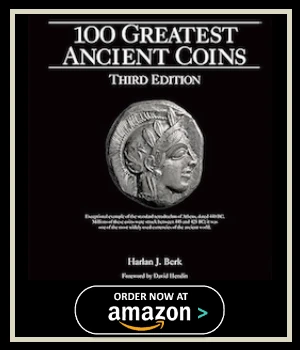
100 Greatest Ancient Coins
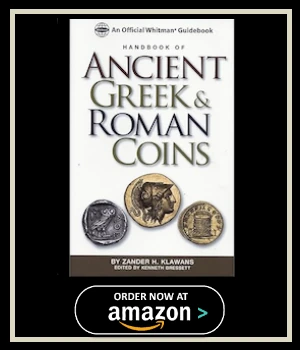
Handbook of Ancient Greek & Roman Coins
 Find Ancient & Medieval Coins on eBay
Frequently Asked Questions
How much are ancient coins worth?
How can I tell if an ancient coin is real?
What is the oldest coin in the world?
What is the most valuable ancient coin ever sold?
Can I legally own ancient coins?
What's the cheapest way to start collecting ancient coins?
Should I clean an ancient coin before selling or displaying it?


 '
'