Platinum Bullion
Platinum Coins • Platinum Bars • Industrial Demand & Where to Buy
Live Precious Metals Prices

What Is Platinum Bullion?
Platinum is a dense, naturally white precious metal that occupies a genuinely distinctive position in the bullion market — rarer than gold in absolute terms, yet historically prone to trading at a discount to gold rather than a premium, a counterintuitive dynamic driven by platinum's unusual demand profile. Unlike gold and silver, which draw demand primarily from jewelry and investment, platinum's price is heavily influenced by industrial applications, particularly automotive catalytic converters, giving it a price behavior more closely tied to manufacturing and economic activity than the other major precious metals.
Platinum bullion coins and bars are typically struck to .9995 fine purity, and while the platinum bullion market is considerably smaller and less liquid than gold or silver, several major world mints — including the U.S. Mint, Royal Canadian Mint, and Perth Mint — produce well-recognized platinum bullion products that remain accessible to individual investors seeking exposure to this less commonly held precious metal.
Top Platinum Bullion Coins
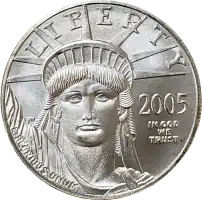
American Platinum Eagle
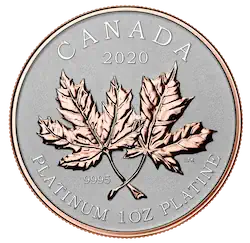
Canadian Platinum Maple Leaf
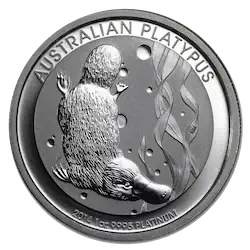
Australian Platinum Platypus
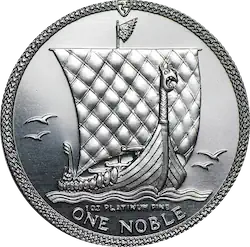
Isle of Man Noble
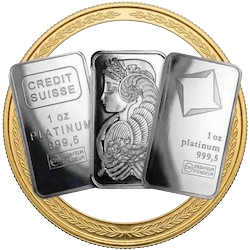
Platinum Bars
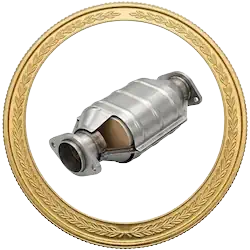
Catalytic Converter Demand
Platinum Bullion Coins & Bars

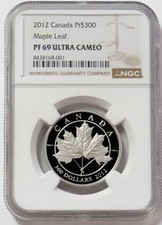


Industrial Demand and Platinum's Unique Role
Platinum's price behavior is shaped substantially by its role in automotive catalytic converters, particularly for diesel engines, where platinum has historically been the preferred metal alongside palladium's dominance in gasoline engine applications. This industrial demand component means platinum prices respond meaningfully to automotive manufacturing trends, diesel engine adoption rates, and emissions regulations in ways that gold, driven primarily by investment and jewelry demand, generally does not.
Beyond automotive applications, platinum sees meaningful use in jewelry (particularly in markets like China and Japan, where platinum jewelry has traditionally been especially popular), medical devices (platinum's biocompatibility makes it valuable for certain implants and equipment), and various industrial catalytic processes beyond automotive emissions control. This diversified but still substantially industrial demand base is central to understanding platinum's distinct price behavior relative to the other major precious metals.
Platinum's Unusual Price Behavior
For much of the 20th century, platinum traded at a significant premium to gold, reflecting its greater rarity and strong historical jewelry demand. However, this relationship has inverted at various points in recent decades, with platinum sometimes trading at a meaningful discount to gold — a dynamic driven by platinum's heavier reliance on industrial and automotive demand, which can soften during economic slowdowns even as investment-driven demand for gold holds up or strengthens during the same periods.
This price relationship between platinum and gold is watched closely by precious metals investors, since periods when platinum trades unusually cheap relative to gold have historically attracted some investors betting on a reversion toward platinum's traditional premium, though there's no guarantee such historical patterns will repeat. As with any commodity price relationship, past behavior doesn't predict future performance, and platinum's price should be evaluated on its own fundamentals rather than assumed to inevitably converge with gold.
A Practical Buying Guide
Given the platinum bullion market's smaller size and lower liquidity compared to gold or silver, sticking to well-recognized products — the American Platinum Eagle, Canadian Platinum Maple Leaf, or bars from major refiners — is particularly important for ensuring straightforward resale later. Some smaller or less common platinum products can be genuinely harder to sell quickly at a fair price compared to their gold and silver counterparts, given the more limited pool of platinum-focused buyers and dealers.
Because platinum's price is more closely tied to industrial and economic cycles than gold or silver, some investors view it as a genuinely different kind of precious metals holding — one with a distinct risk and return profile rather than simply a substitute for gold. We recommend consulting a qualified financial advisor to determine what role, if any, platinum bullion should play in your broader investment strategy, since individual financial circumstances vary and this content is intended for educational purposes rather than personalized financial advice.
For those specifically researching where to compare current platinum bullion prices and dealer options side by side, our Where to Buy Platinum Bullion guide breaks down leading dealers, typical premiums, and what to look for when choosing where to make a purchase.
Where to Buy Platinum Bullion

JM Bullion

Kitco

Money Metals Exchange

SD Bullion

Silver Gold Bull

eBay

Frequently Asked Questions
Why does platinum sometimes cost less than gold?
Which platinum bullion coin is best for beginners?
Is platinum rarer than gold?
Is platinum bullion a good investment?
How liquid is the platinum bullion market compared to gold and silver?
Where can I check current platinum prices before buying?

Gold and silver have been king and queen of metals for centuries. Today, they are joined by platinum and palladium in the precious metals arena. They are traded in the form of bars, rounds and ingots, tangible assets you can see and touch.
 '