Silver Bullion
Silver Coins • Silver Bars • Premiums & Where to Buy
What Is Silver Bullion?
Silver bullion refers to silver coins, bars, and rounds valued primarily by their precious metal content rather than by numismatic rarity — the counterpart to gold bullion, but at a price point that makes it genuinely accessible to a much broader range of investors given silver's significantly lower per-ounce spot price. Bullion silver is typically struck to a high purity standard (commonly .999 fine) and produced in standardized weights, making it straightforward to price against current spot silver rates.
Modern silver bullion coins are issued by government mints worldwide, each backed by that nation's guarantee of weight and purity. The American Silver Eagle and Canadian Silver Maple Leaf stand as the two most recognized and widely traded silver bullion coins globally, combining sovereign backing with the kind of universal dealer recognition that makes buying and reselling straightforward. Silver bars, produced by both government mints and private refiners, offer an alternative format typically carrying lower premiums over spot price, appealing to investors focused on maximizing silver content per dollar spent.
Top Silver Bullion Coins
American Silver Eagle
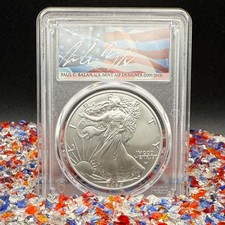
The U.S. Mint's flagship silver bullion coin, struck in .999 fine silver since 1986 — the most widely recognized and traded silver coin in America.
Canadian Silver Maple Leaf
Struck in .9999 fine silver since 1988, featuring advanced security features including radial lines and micro-engraved privy marks.
Austrian Silver Philharmonic
Europe's most popular silver bullion coin, struck in .999 fine silver featuring the Vienna Philharmonic's instruments.
British Silver Britannia
The Royal Mint's flagship .999 fine silver coin featuring the iconic Britannia design and advanced anti-counterfeiting features.
Australian Silver Kangaroo
The Perth Mint's .999 fine silver coin with an annually changing kangaroo design, popular among collectors and stackers alike.
Junk Silver (Pre-1965 U.S. Coins)
Circulated pre-1965 90% silver dimes, quarters, and half dollars sold near melt value — see our Silver Coin Melt Calculator.
Silver Bars
Silver bars offer investors the lowest typical premium over spot price among silver bullion products, making them popular among buyers focused on accumulating maximum silver content per dollar spent. Available in sizes ranging from 1 oz up to substantial 100 oz bars, and even larger 1,000 oz "good delivery" bars used primarily in institutional and industrial trading, silver bars come from major refiners like PAMP Suisse, Sunshine Minting, and Royal Canadian Mint, among many others.
Larger bar sizes generally carry lower premiums per ounce than smaller ones, since minting costs don't scale down proportionally — but larger bars also require more capital upfront and can be less convenient to sell in smaller increments if you only need to liquidate part of your holding. Many silver bars include an assay card verifying weight and purity, and reputable refiners increasingly incorporate tamper-evident packaging and serialization to protect against counterfeiting.
Understanding Premiums and Pricing
Every silver bullion product sells at a premium above spot silver price, and these premiums tend to be proportionally larger for silver than for gold, since silver's lower per-ounce value means minting and handling costs represent a bigger percentage of the total product cost. Government-minted coins like the American Silver Eagle typically carry meaningfully higher premiums than generic silver rounds or bars, reflecting sovereign backing and universal recognition.
Silver premiums can also swing dramatically during periods of high demand or supply chain disruption — sometimes more dramatically than gold premiums, given silver's smaller and more easily strained physical market. Comparing premiums across multiple dealers, and understanding that dealers buy back at a discount to spot rather than full retail price, are both essential to making informed silver bullion purchasing decisions.
A Practical Buying Guide
For most new silver bullion buyers, starting with well-recognized products — the American Silver Eagle, Canadian Silver Maple Leaf, or standard 1 oz or 10 oz silver bars from major refiners — provides the easiest path to buying confidently and reselling later without complications. Silver's lower price point relative to gold also makes it a genuinely accessible way to begin building a precious metals position without the larger capital commitment gold typically requires.
Storage considerations differ somewhat from gold given silver's lower value density — a meaningful silver holding takes up considerably more physical space than an equivalent dollar value in gold, which is worth factoring into any storage plan. We recommend consulting a qualified financial advisor to determine what role, if any, physical silver bullion should play in your broader investment strategy, since individual financial circumstances vary and this content is intended for educational purposes rather than personalized financial advice.
For those specifically researching where to compare current silver bullion prices and dealer options side by side, our Where to Buy Silver Bullion guide breaks down leading dealers, typical premiums, and what to look for when choosing where to make a purchase.


Where to Buy Silver Bullion
JM Bullion
One of the largest U.S. bullion dealers — competitive pricing across Silver Eagles, Maple Leafs, and silver bars with insured shipping.
Shop JM Bullion →Kitco
World-renowned precious metals dealer with live spot pricing and a broad selection of silver coins and bars from major mints and refiners.
Shop Kitco →Money Metals Exchange
Competitive pricing on silver coins and bars with a straightforward buying experience and strong customer service reputation.
Shop Money Metals →SD Bullion
Low-premium silver coins and bars with transparent spot-based pricing and reliable order fulfillment.
Shop SD Bullion →Silver Gold Bull
International bullion dealer with a wide selection of silver coins and bars, competitive pricing, and worldwide shipping options.
Shop Silver Gold Bull →eBay
A large marketplace for silver bullion coins and bars from individual sellers and dealers. Verify seller reputation and certification carefully.
Shop eBay →FRC Where to Buy Silver Bullion
A dedicated comparison guide covering leading silver bullion dealers, typical premiums, and what to look for.
View Dealer Comparison →FRC Silver Coin Melt Calculator
Calculate the current melt value of pre-1965 90% silver U.S. coins.
View Melt Calculator →FRC Spot Price Tracker
Track current silver spot prices to inform your buying decisions.
View Spot Prices →Frequently Asked Questions
What is the difference between silver bullion and silver coins?
"Silver bullion" is a broad category including both bullion coins and bars, valued primarily by silver content. "Silver coins" can refer to bullion coins (like the American Silver Eagle, valued mainly for silver content) or numismatic/collector coins (like historic Morgan or Peace dollars, valued primarily for rarity, condition, and historical significance, often well above their silver melt value). Bullion buyers focused purely on silver content should generally stick to recognized modern bullion products rather than historic numismatic coins.
Which silver bullion coin is best for beginners?
The American Silver Eagle and Canadian Silver Maple Leaf are generally the best starting points for new silver bullion buyers, given their strong government backing, universal recognition among dealers, and excellent liquidity. Both are widely available from reputable dealers, straightforward to verify, and rarely present the authentication challenges that can arise with less common or lesser-known bullion products.
Are silver bars cheaper than silver coins?
Generally, yes on a percentage basis — silver bars typically carry lower premiums over spot price than coins, since silver's lower per-ounce value means coin premiums represent a proportionally larger cost. This makes bars appealing to investors focused purely on acquiring maximum silver content per dollar spent. However, coins offer advantages in liquidity, recognition, and easier divisibility that some investors value enough to accept the higher premium.
Is silver bullion a good investment?
Silver has historically served as both a precious metal store of value and an industrial commodity, giving it a somewhat different price behavior than gold, though like any asset its price can fluctuate significantly and past performance doesn't guarantee future results. Whether silver bullion is appropriate for your situation depends on your broader financial goals, risk tolerance, and portfolio composition. We recommend consulting a qualified financial advisor before making significant precious metals purchases, since this content is intended for educational purposes rather than personalized investment advice.
What is "junk silver" and how does it relate to silver bullion?
"Junk silver" refers to pre-1965 U.S. dimes, quarters, and half dollars struck in 90% silver, typically in worn, non-collectible condition, sold near their melt value rather than for numismatic premium. It offers a straightforward and often cost-competitive way to acquire silver bullion exposure through recognizable historic U.S. coinage. Our Silver Coin Melt Calculator can help you calculate the current melt value of any pre-1965 silver coin based on live spot prices.
Where can I check current silver prices before buying?
Our Spot Price Tracker provides current silver spot pricing to help inform your buying decisions. Comparing the spot price against a specific product's asking price lets you calculate the exact premium you'd be paying, which is the most useful way to compare offers across different dealers and products.
 Find Silver Bullion on eBayMoney Back Guarantee
FindRareCoins.com participates in the eBay Partner Network, Amazon Associates, and AWIN affiliate programs. Purchases made through links on this page may earn us a commission at no additional cost to you.
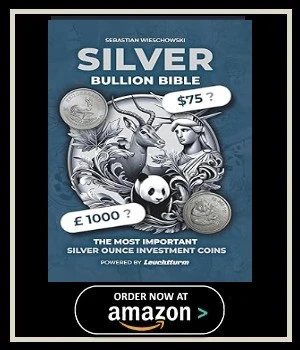
Silver Bullion Bible is a globe‑spanning guide that explores the investment appeal of one‑ounce silver bullion coins—from iconic series like the Maple Leaf, Panda, Koala, Libertad, Britannia, to the American Silver Eagle

 '
'