African Coins: Complete Collector's Guide
From ancient trade currencies and colonial coinage to the modern Krugerrand — Africa's numismatic heritage spans over two millennia of commerce, art, and cultural identity.
Africa's Numismatic Heritage
African coins reflect a deep history shaped by trade, resources, and cultural exchange. Long before European contact, diverse monetary systems flourished across the continent — from metal coins and trade beads in West Africa to the sophisticated currency networks of the ancient Kingdom of Aksum in Ethiopia, which struck gold, silver, and bronze coins from the 3rd century CE onward. These coins bore portraits of Aksumite kings and Christian cross symbols, making them among the most historically significant early African coinage.
Colonial powers introduced European-style currencies throughout the 18th and 19th centuries, creating hybrid monetary systems that reshaped local economies. Today's African coins celebrate independence, cultural heritage, and artistic expression — featuring indigenous wildlife, historical figures, and national symbols that make them highly collectible worldwide. The continent's most famous numismatic export, the South African Krugerrand, changed the entire global gold investment market when it launched in 1967.
Major African Coin Categories
Kingdom of Aksum
South African Krugerrand
Colonial British West Africa
Egyptian Coins
Modern African Wildlife
CFA Franc Zone
Value Guide: Key African Coins
Values shown are approximate market ranges for authentic examples in collectible condition. Krugerrand values fluctuate daily with the gold spot price; the figures below assume gold near $4,150/oz, so check our spot price tracker for today's number.
| Coin | Era | Metal | Value Range | Shop |
|---|---|---|---|---|
| Kingdom of Aksum Gold | 3rd–7th century CE | Gold | $500 – $10,000+ | eBay → |
| Krugerrand (1 oz, common date) | 1967–present | 1 oz gold | $4,200 – $4,500+ | eBay → |
| Krugerrand (1967 first year) | 1967 | 1 oz gold | $4,500 – $7,000+ | eBay → |
| South Africa Proof Krugerrand | Various | 1 oz gold proof | $4,400 – $9,000+ | eBay → |
| Ptolemaic Silver Tetradrachm | 305–30 BCE | Silver | $200 – $5,000+ | eBay → |
| British West Africa Penny | 1907–1958 | Bronze | $2 – $100+ | eBay → |
| Somali Silver Elephant (1 oz) | 2004–present | .999 silver | $35 – $100+ | eBay → |
| Congo Silver Gorilla (1 oz) | 2015–present | .999 silver | $40 – $150+ | eBay → |
| South Africa 50th Anniv. Krugerrand Proof Set | 2017 | Gold proof set | $5,000 – $50,000+ | eBay → |
African Coin Explorer
Select a category to browse key African coins by era. Click any coin for details and current eBay listings.


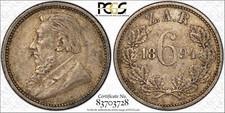
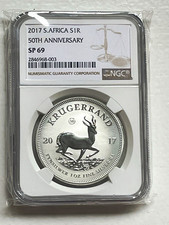


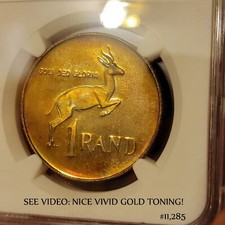


The South African Krugerrand: Africa's Most Famous Coin
The Krugerrand was introduced in 1967 by the South African government as the world's first modern gold bullion coin — specifically designed to make gold ownership accessible to private investors at a time when most Western countries prohibited private gold holdings. Named after Paul Kruger (President of the South African Republic 1883–1900) and the rand, South Africa's currency unit, each coin contains exactly 1 troy ounce of fine gold in a 22-karat alloy. The copper content gives the coin its distinctive reddish-gold tone and significantly greater durability than pure gold coins.
Over 60 million Krugerrands have been minted — making it by far the most widely distributed gold bullion coin in history. Its deep liquidity, minimal premiums over spot, and worldwide recognition make it a perennial favorite among gold investors. Proof Krugerrands struck for collectors command substantially higher premiums, and the 2017 50th Anniversary proof sets are among the most sought modern world coin issues.
Collecting the Krugerrand
Common-date circulation Krugerrands (1970s–present) trade very close to gold spot with minimal numismatic premium — roughly $4,200–$4,500+ with gold near $4,150/oz. Early dates from 1967–1969, the first three years of issue, command collector premiums above spot. Proof issues in original South African Mint packaging are significantly more valuable than bullion strikes. Fractional Krugerrands (½ oz, ¼ oz, and 1/10 oz) also exist and carry higher premiums over their gold content than the full ounce coin.
Ancient African Coinage
The Kingdom of Aksum — centered in modern Ethiopia and Eritrea — produced the African continent's earliest coins beginning around 270 CE under King Endubis. These gold, silver, and bronze pieces depicted royal portraits and, after Aksum's conversion to Christianity in the 4th century, the Christian cross — making Aksumite coins the first in the world to bear Christian symbols. Fewer than 150 types are known, and surviving examples are genuinely rare. Well-preserved gold coins of major Aksumite kings have sold for $3,000–$10,000+ at specialist auctions.
Ptolemaic Egypt (305–30 BCE) produced large silver tetradrachms featuring portraits of the Ptolemaic dynasty rulers — including the famous portrait coins of Cleopatra VII. These are among the most historically significant ancient coins from African soil, and NGC-certified examples in attractive grades are actively collected worldwide.
Where to Buy African Coins
These trusted sources carry the widest selection of African coins — from Krugerrands and modern wildlife silver to ancient Aksumite and Ptolemaic pieces — plus the standard references serious collectors keep on hand.
eBay — Krugerrands
JM Bullion — Gold Bullion
Money Metals Exchange
SD Bullion
Silver Gold Bull
eBay — African Wildlife Silver
eBay — Ancient African Coins
eBay — Colonial & CFA Coins
Amazon — World Coin References
Gold Spot Price Tracker
 Find African Coins on eBayMoney Back Guarantee
FindRareCoins.com participates in the eBay Partner Network, Amazon Associates, and AWIN affiliate programs. Purchases made through links on this page may earn us a commission at no additional cost to you.
Frequently Asked Questions
What is the most famous African coin?
What are the oldest African coins?
Are Krugerrands a good investment?
What African coins are best for beginning collectors?
How do I know if my Krugerrand is genuine?
What is the CFA franc, and are CFA coins collectible?
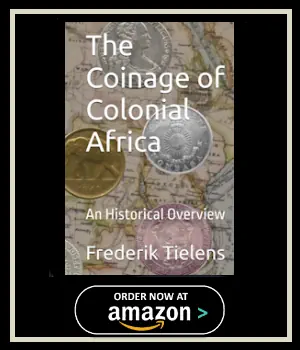
Combining historical narrative with detailed numismatic analysis, this richly illustrated reference work contains over 300 illustrations of coins, maps, documents, and historical records.
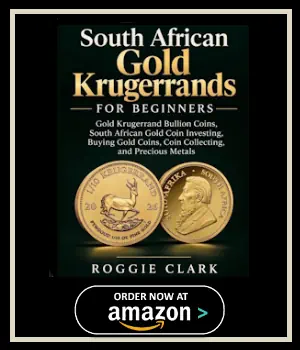
 '
'