Coin Value Estimator
Instant Values by Date, Mint and Grade
Morgan Dollars, Buffalo Nickels, Wheat Pennies and more
Coin Grading Quick Reference
| Grade | Abbreviation | Description |
|---|---|---|
| Good | G-4 | Heavily worn. Outline visible, most detail flat. |
| Very Good | VG-8 | Well worn. Main features clear but flat. |
| Fine | F-12 | Moderate even wear, most details visible. |
| Very Fine | VF-20 | Light wear on high points, good overall detail. |
| Extremely Fine | EF-40 | Minimal wear, sharp design details. |
| About Uncirculated | AU-50 | Trace of wear on highest points only. |
| Mint State | MS-60+ | No wear; grade reflects strike and surface quality. |
How This Coin Value Estimator Works
Select your coin's type, enter the approximate year, choose the mint mark, and pick the closest grade to get an instant estimated value. This tool draws on typical common-date market values by grade for each series — it's designed to give you a fast, useful starting point, not a substitute for professional appraisal on anything that might be a genuine key date or rarity.
The tool shows two figures for a reason: the large headline number is a retail / list value — roughly what you could expect to sell for to another collector, such as in an online listing. The smaller figure underneath is a typical dealer buy price — what a coin shop or dealer would likely offer to purchase it outright, which is usually lower to account for their overhead, the risk of a coin not being exactly as described, and the time it takes to resell it. Neither figure is a guaranteed price; both move with the broader coin and precious metals market.
If your coin is a well-known key date (the tool will flag several of the most famous ones automatically and adjust the estimate accordingly), a mint error, or in exceptional condition beyond what a quick self-assessment can judge, its actual value could still be higher than this estimate suggests. For anything you suspect might be genuinely valuable, we strongly recommend professional grading through PCGS or NGC before selling.
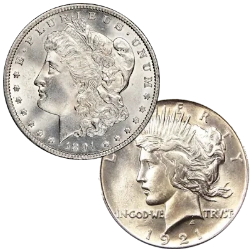
Morgan & Peace Dollars
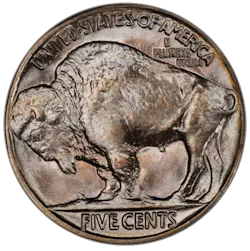
Buffalo Nickels
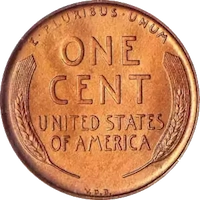
Wheat Pennies
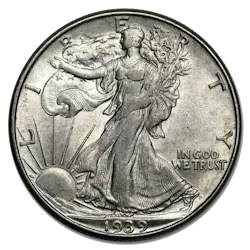
Walking Liberty Half Dollars
Mercury Dimes
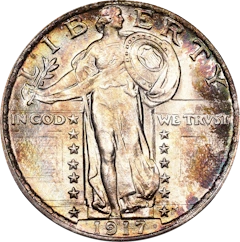
Standing Liberty Quarters
Related Coin Guides
What's My Coin Worth
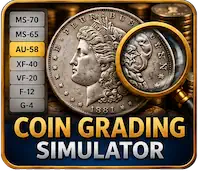
Coin Grading Simulator
Coin Finder
Ready to Buy or Sell?
Once you have an estimate, the next step is checking it against what coins like yours actually sell for. Asking prices can run high, so look at completed or sold listings for the same date, mint mark, and grade. If several recent sales cluster near the estimator's figure, you can be fairly confident in the number. If they land well above or below it, your coin may have a variety, toning, or a problem such as cleaning that changes its value.
When you sell, you generally have two routes. A local coin shop or dealer pays quickly and handles everything for you, although the offer will usually sit near the dealer buy price shown in the tool. Listing the coin yourself, on the other hand, can bring something closer to the retail figure. It takes more time, however, because you have to photograph the coin, describe it accurately, and handle shipping and buyer questions.
For buyers, the same logic works in reverse. Common-date coins in circulated grades are easy to find at fair prices, but key dates and high-grade coins are where counterfeits and overgraded examples tend to show up. As a result, certified PCGS or NGC coins are the safer choice for anything expensive. For a full walkthrough of selling options, see our guide on how to sell coins.

Frequently Asked Questions
How accurate is this coin value estimator?
What if my coin is a key date?
How do I know what grade my coin is?
Should I get my coin professionally graded before selling?
Does this tool cover world or ancient coins?
Why does the tool show two different prices?
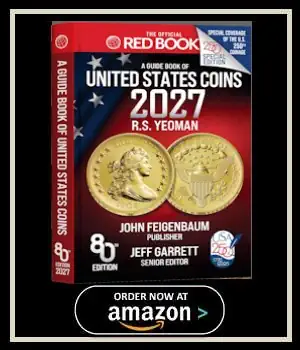
The all-new 2027 edition of The Official Red Book®: A Guide Book of United States Coins marks the 80th anniversary of the world’s best-selling coin price guide and the hobby’s most trusted reference
 '
'