Dollars — Complete U.S. Dollar Coin Series Guide & Values
Flowing Hair to Eisenhower • 230+ Years of American Silver & Modern Dollar Coinage
Value Overview by Series
Values shown are broad approximate ranges for common-date circulated examples within each series. See each series' dedicated guide for complete date-by-date values and key dates.
| Series | Years | Composition | Common Date Range | Guide |
|---|---|---|---|---|
| Flowing Hair / Draped Bust | 1794–1803 | 90% Silver | $1,000–$15,000+ | Shop eBay → |
| Gobrecht Dollar | 1836–1839 | 90% Silver | $20,000–$500,000+ | View Guide → |
| Seated Liberty Dollar | 1840–1873 | 90% Silver | $200–$500,000+ | View Guide → |
| Trade Dollar | 1873–1885 | 90% Silver | $150–$500,000+ | View Guide → |
| Morgan Dollar | 1878–1904, 1921 | 90% Silver | $25–$500,000+ | View Guide → |
| Peace Dollar | 1921–1935 | 90% Silver | $25–$100,000+ | View Guide → |
| Eisenhower Dollar (silver) | 1971–1974 | 40% Silver | $15–$60+ | View Guide → |
| Eisenhower Dollar (clad) | 1971–1978 | Copper-Nickel Clad | $1–$15 | View Guide → |
The History of the U.S. Dollar Coin
The dollar has had a far more interrupted history than most other U.S. denominations — a story shaped as much by production gaps as by the coins themselves. The first dollars, Flowing Hair pieces designed by Robert Scot, were struck in 1794 following the Coinage Act of 1792, which established the dollar as the nation's monetary unit modeled on the Spanish eight reales. Production continued through 1803, but the famous "1804" dollar was never actually struck that year — the Mint had already moved on to other priorities, and the coins bearing that date weren't produced until the mid-1830s, made as diplomatic gifts for Asian rulers. Regular dollar coinage then went dormant entirely for more than three decades.
The denomination has seen at least four major production gaps since 1794: no dollars were struck between 1804 and 1836 (the Gobrecht Dollar pattern issues restarted limited production); a gap opened again after the Seated Liberty Dollar ended in 1873 until the Morgan Dollar began in 1878 (with the Trade Dollar filling part of that window for Asian commerce rather than domestic use); Morgan Dollar production halted completely from 1905 to 1920 after the Sherman Silver Purchase Act-driven silver surplus ran out; and no standard silver dollar was struck at all between 1936 and 1970, a 34-year gap broken only by the abortive, fully-melted 1964-D Peace Dollar revival before the Eisenhower Dollar finally arrived in 1971. Understanding these gaps is essential context for any dollar collector — they explain why certain "missing" dates don't exist and why the denomination's design history reads more like a series of restarts than a continuous evolution.
Every U.S. Dollar Coin Series
The dollar denomination encompasses seven major design types across its 230-year history. Click any series below for a dedicated guide with date-by-date values, key dates, and grading information.
Gobrecht Dollars
Seated Liberty Dollar
Trade Dollar
Morgan Dollar
Peace Dollar
Eisenhower Dollar
Dollar Error Coins
Full Coin Price Guide
Silver Content Across the Series
Every dollar coin from 1794 through 1935 was struck in 90% silver, giving these coins roughly 0.7734–0.7736 troy ounces of pure silver depending on the exact series and weight standard — meaning even the most common circulated Morgan or Peace Dollar carries real melt value well above face value at current silver prices. The Eisenhower Dollar broke this pattern: circulation strikes from 1971 onward were struck in copper-nickel clad with no silver content at all, while special collector versions from 1971–1974 (and the 1975–1976 Bicentennial issue) were struck in a reduced 40% silver composition, containing approximately 0.3161 troy ounces per coin.
This means date and series recognition tells you nearly everything about a dollar coin's baseline bullion value: any dollar dated 1935 or earlier is 90% silver; an Eisenhower Dollar is either silver (S-mint, sold in special packaging) or clad (worth little more than face value) depending on its specific issue; and no dollar coin struck for circulation after 1971 contains any silver unless explicitly marked as a special silver collector issue. This simple framework is the fastest way to evaluate a found or inherited dollar coin's baseline worth before considering any numismatic premium.
[ebay_listings_us_dollars]
Collecting the Dollar Denomination
The dollar's dramatic, gap-filled 230-year history makes it one of the most rewarding denominations for type collectors — building a complete type set with one representative example of each major design (Flowing Hair, Draped Bust, Gobrecht, Seated Liberty, Trade, Morgan, Peace, and Eisenhower) tells the story of American monetary policy through eight genuinely distinct chapters. Because common-date examples of the Morgan and Peace series are widely available and affordable, a solid type set is achievable for most collectors without requiring pursuit of the denomination's rarest key dates — though the earliest series (Flowing Hair, Draped Bust, Gobrecht) command significant premiums even in circulated grades due to their genuine scarcity.
For collectors focused on silver content and bullion value, pre-1936 dollar coins (commonly traded as "junk silver" in the bullion trade when in worn, non-collectible condition) offer a straightforward way to acquire meaningful silver holdings while retaining numismatic character. PCGS and NGC both grade dollar coins across every series, and certification becomes increasingly important as coin value rises — particularly for the 18th and 19th century types, and for any of the well-documented rarities and secret issues (the 1804 Dollar, 1870-S Seated Liberty, 1885 Trade Dollar) where authentication is essential given the high stakes and documented counterfeiting risk.
Where to Buy Dollar Coins
eBay — All Dollar Series
eBay — 90% Silver Dollars
JM Bullion
Kitco
Money Metals Exchange
SD Bullion
Silver Gold Bull
FRC Coin Price Guide
 Find Dollar Coins on eBayMoney Back Guarantee
FindRareCoins.com participates in the eBay Partner Network, Amazon Associates, and AWIN affiliate programs. Purchases made through links on this page may earn us a commission at no additional cost to you.
Frequently Asked Questions
What is the oldest U.S. dollar series?
The Flowing Hair Dollar, struck only in 1794 and 1795, is the earliest series — the very first silver dollars produced by the newly established United States Mint under the Coinage Act of 1792. It was followed by the Draped Bust Dollar (1795–1803). Notably, the famous "1804" dollar was never actually struck in 1804 — production had already stopped, and the coins bearing that date were made decades later, in the mid-1830s, as diplomatic presentation pieces. Only 15 examples are known today, and it remains one of the most valuable coins in American numismatics.
Why does U.S. dollar coin production have so many gaps?
Unlike smaller denominations, the dollar's high face value made it especially sensitive to silver price fluctuations and shifting monetary policy. Production stopped entirely from 1804 to 1836 after the Mint shifted priorities and silver became less available for large coins. A gap opened again from 1873 to 1878 when the Seated Liberty Dollar ended and the Trade Dollar (built for Asian commerce, not domestic use) took its place until the Morgan Dollar began. The Morgan Dollar itself was suspended from 1905 to 1920 after Sherman Silver Purchase Act-era silver reserves ran out. And no standard dollar was struck at all between 1936 and 1970 — the longest gap in the denomination's history — until the Eisenhower Dollar arrived in 1971.
How can I tell if my dollar coin is silver?
Any U.S. dollar coin dated 1935 or earlier is 90% silver. The Eisenhower Dollar (1971–1978) is more complicated: standard circulation strikes are copper-nickel clad with no silver, while special collector versions — identifiable by the S mint mark and often sold in original blue or brown Mint packaging — are 40% silver. Any dollar coin dated 1979 or later (Susan B. Anthony, Sacagawea, Presidential, and American Innovation dollars) is a non-silver "golden dollar" or clad coin with no precious metal content.
What is the most valuable dollar coin series?
The earliest series — Flowing Hair, Draped Bust, and Gobrecht Dollars (1794–1839) — generally command the highest values overall given their age, historical significance, and genuine scarcity. Within any individual series, however, specific key dates and rarities can rival or exceed early dollar values: the 1804 Dollar (15 known, multi-million dollar sales), the 1870-S Seated Liberty Dollar (fewer than 15 known, no official mint record), and the 1885 Trade Dollar (5 known) are among the most valuable American coins ever sold, despite belonging to series with otherwise moderate typical values.
Are old dollar coins a good investment?
Pre-1936 dollar coins carry genuine silver bullion value (roughly 0.7734 troy ounces for common dates) that provides a price floor independent of numismatic factors, while scarcer dates and better-preserved examples carry additional collector premiums. Whether they represent a "good investment" depends on both silver price performance and numismatic market trends, which we cannot predict — we recommend consulting a qualified financial advisor before making significant purchases. Many collectors pursue dollar coins primarily for historical and numismatic interest rather than as a pure investment vehicle.
What is a good starting point for collecting dollar coins?
The Morgan Dollar and Peace Dollar series are the most accessible entry points, since common dates are widely available and affordable in circulated to modest uncirculated grades. Building a type set — one representative example of each of the eight major dollar designs across the denomination's 230-year history — is one of the most popular and achievable collecting goals. From there, many collectors specialize further into a specific series to pursue that series' complete date-and-mintmark run and key dates in greater depth.

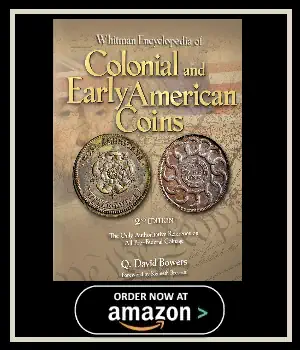
Based on M.H. Bolender's 1950 classic, this comprehensive study sheds new light on one of the most treasured realms of American coin collecting
 '
'