
Vintage Toys — Action Figures, Dolls, Games & Die-Cast Collectibles
From Star Wars action figures to Barbie dolls, Hot Wheels, and classic board games — your complete guide to vintage toy collecting, values, and where to find authentic pieces.
Collector's Value GuideThe Cultural Meaning of Toys
Toys have always reflected human creativity, technological progress, and cultural values. From simple handmade objects to prized collectibles, each toy carries a story about the society that produced it. These items reveal how people lived, what they valued, and how they taught children about the world.
What makes vintage toy collecting such an enduring hobby is this dual nature — every piece functions simultaneously as a plaything, a design object, and a historical artifact. A single shelf can hold a hand-carved 19th-century wooden figure beside a mass-produced 1980s action figure, and both carry genuine cultural weight from the moment in which they were made.
A Glimpse Into Early Toy History
Across ancient civilizations, toys served both entertainment and educational purposes. Egyptian children played with dolls, animal figurines, and early ball games, all designed to build practical skills. In Greece, articulated clay dolls, wooden figures, and miniature tools helped young people learn everyday tasks through play, showing that toys were essential teaching tools long before modern education.
This educational dimension persisted for centuries, with toys quietly transmitting the skills, values, and worldview of each generation to the next. Understanding this deeper purpose helps explain why surviving examples from these early periods — however simple in construction — carry such significant historical and academic interest today.
From Handmade to Mass-Produced Toys
During the Middle Ages, toys were crafted by hand from simple materials like wood and cloth, reflecting the limited resources of the time. The Industrial Revolution transformed toy making in the 19th century, enabling mass production and introducing more refined materials. Bisque dolls from German and French makers, including the renowned Jumeau dolls, became especially prized for their lifelike porcelain features and remain highly collectible today.
This shift from individual craftsmanship to industrial manufacturing fundamentally changed what a "toy" could be — suddenly affordable, widely distributed, and produced in enormous variety. It also created the conditions for the modern collecting hobby, since standardized manufacturing meant that specific makers, factories, and production runs could be identified, dated, and valued with real precision.
The Rise of Innovation in the 20th Century
The 20th century is often considered a golden age of toy manufacturing, marked by rapid innovation and global creativity. Early in the century, tin toys from Japan and Germany gained popularity, many featuring intricate wind-up mechanisms that brought movement and personality to playtime. These mechanical toys, especially the iconic tin robots of the 1950s, are now celebrated for their craftsmanship and nostalgic charm.
The latter half of the century brought plastic injection molding, licensed media tie-ins, and eventually electronics — giving rise to the action figures, video game consoles, and interactive toys that now anchor entire collecting categories of their own. Each technological shift left behind its own generation of collectibles, which is part of why vintage toy collecting spans such an enormous range of materials, eras, and price points.
The Appeal of Collecting Vintage Toys
Today's collectors treasure vintage toys for their craftsmanship, nostalgia, and display value. These pieces offer a tangible connection to childhood memories and earlier eras of design. As a result, well-preserved examples often become sought-after collectibles, appreciated as both historical artifacts and unique decorative items.
Why these toys matter to collectors ultimately comes down to this layered appeal — they offer a window into changing technologies, cultural values, and artistic styles all at once. Their materials, construction methods, and designs reflect the evolution of childhood and industry alike, which is why well-preserved examples, from bisque dolls to tin robots to carded action figures, are treasured not only as historical artifacts but also as standout pieces in modern collections.
Shop Vintage Toys on eBay
Browse action figures, dolls, classic games, and die-cast vehicles from sellers specializing in vintage toy collecting.
Vintage Toy References on Amazon


Where to Buy Vintage Toys
These are the marketplaces and resources used by serious vintage toy collectors for buying, authentication, and pricing research.
eBay — All Vintage Toys
eBay — Action Figures
eBay — Die-Cast & Vehicles
Amazon — Price Guides
The Toy Scouts
FRC Collectibles Hub
Related Collecting Guides
 Find These Toys on eBayMoney Back Guarantee
Frequently Asked Questions
What makes a vintage toy valuable?
Should I open a sealed vintage toy to play with it?
How do I identify the era and maker of an old toy?
Are reproduction and bootleg toys common in this market?
What vintage toy categories are best for beginning collectors?
Where can I find current vintage toy values?
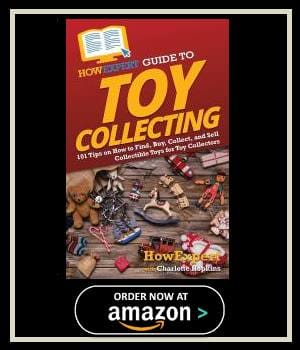
This book is chock full of historical dates and facts that all collectors should know, including information on identifying toys and their manufacturer.
 '
'