Small Cents
Flying Eagle, Indian Head
and Lincoln Cent Guide
1856–2025 in Circulation • Home to the Legendary 1909-S VDB • America's Most Collected Coin
Value Overview by Series
U.S. small cents range from face value for modern Lincoln cents to a record $312,000 for the finest known 1856 Flying Eagle. Values below are broad approximate ranges for common-date circulated examples within each series, with key dates noted separately.
| Series | Years | Composition | Common Date Range | Shop |
|---|---|---|---|---|
| 1856 Flying Eagle (Pattern) | 1856 | Cu-Ni | $11,500–$312,000+ | Shop eBay → |
| Flying Eagle (Circulation) | 1857–1858 | Cu-Ni | $30–$300+ | Shop eBay → |
| Indian Head (Cu-Ni) | 1859–1864 | Cu-Ni | $15–$200+ | Shop eBay → |
| Indian Head (Bronze) | 1864–1909 | Bronze | $1–$60+ | Shop eBay → |
| Lincoln Wheat Cent | 1909–1958 | Bronze / Steel (1943) | $0.05–$25+ | Shop eBay → |
| 1909-S VDB — The Legend | 1909 | Bronze | $800–$3,000+ | Shop eBay → |
| Lincoln Memorial / Shield Cent | 1959–2025 (collector-only since) | Bronze / Zinc (1982+) | Face value–$5+ | Shop eBay → |
The small cent is the most widely collected denomination in American numismatics, and that popularity cuts both ways for value. Because billions of Lincoln cents were struck, most dates from the 1930s onward trade for little more than face value in circulated condition — but the handful of genuine key dates and famous errors attract so many buyers that they command premiums far out of proportion to their face value. For grade-by-grade figures across every U.S. denomination, see our complete coin price guide, and if you're holding a specific cent you want to identify, our What's My Coin Worth guide walks through the process step by step.
Condition, color, and certification drive value more than date alone for most small cents. Uncirculated copper cents are graded not just on wear but on color — Red (RD), Red-Brown (RB), or Brown (BN) — and a full Red example can be worth several times a Brown one in the same numerical grade. Collectors working through the Lincoln Wheat series date by date will find the full year-and-mint breakdown on our wheat penny value chart.
Every Small Cent Series
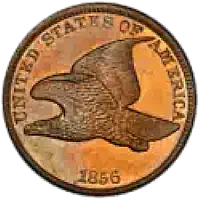
The Small Cent denomination spans three major design families — Flying Eagle, Indian Head, and Lincoln — across nearly 170 years, remarkable durability for a coin that started as an uncertain experiment. The Flying Eagle lasted barely two years in circulation, the Indian Head ran for exactly half a century, and the Lincoln cent has now been struck for more than 115 years under four different reverse designs.
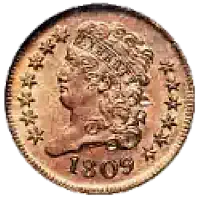
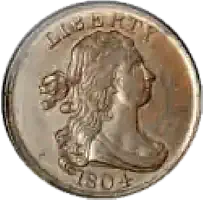
The cards below cover each small cent design family, the series' two biggest collector draws — the 1909-S VDB key date and the error cents that turn up in pocket change — and the two copper denominations that came before them, the Large Cent and Half Cent, both retired in 1857 when the small cent took over. Click any card to open the full guide or shop current listings.
Half Cents
Large Cents
Flying Eagle Cent
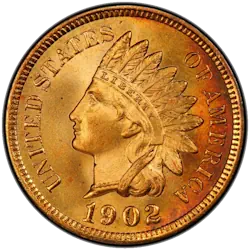
Indian Head Cent
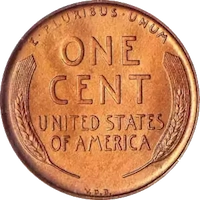
Lincoln Wheat Cent
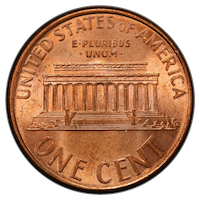
Lincoln Memorial Cent
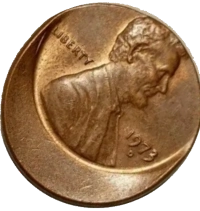
Penny Error Coins
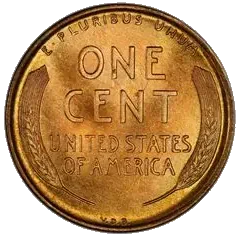
1909-S VDB Lincoln Cent

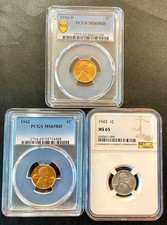


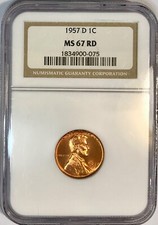
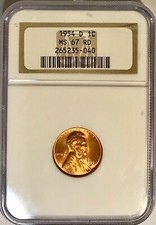
Where to Buy Small Cents
eBay and Amazon cover nearly everything a small cent collector needs, from certified key dates to albums and reference books. Because Flying Eagle, Indian Head, and Lincoln cents contain no precious metal, bullion dealers generally don't stock them — the real market for these coins runs through auction marketplaces, coin shops, and collector-to-collector sales.
Whatever the source, stick to PCGS- or NGC-certified coins for anything valued above a few hundred dollars. The 1856 Flying Eagle, 1877 Indian Head, 1909-S VDB, and 1943 bronze cent are all heavily counterfeited, and certification is the only reliable protection at those price levels.


The History of the Small Cent
The small cent replaced the large copper cent in 1857 and circulated for 168 years until the U.S. Mint struck its final circulating cent on November 12, 2025. By the mid-1850s, the large-format copper cent that had circulated since 1793 had become genuinely impractical — its size and weight made it expensive to produce and unwieldy to carry in quantity. In 1857, the Mint permanently retired the Large Cent (along with the Half Cent) in favor of a smaller, lighter coin struck in a harder 88% copper / 12% nickel alloy. The transition actually began a year early, in late 1856, when the Mint struck a small pattern run of the new Flying Eagle design — technically not an official circulation issue, but distributed to newspaper editors, congressmen, and other influential figures to build public support for the change. That 1856 pattern proved so popular with collectors that it's universally treated as part of the regular series today, despite its technical status.
The Flying Eagle design, adapted by Chief Engraver James B. Longacre from Christian Gobrecht's earlier Flying Eagle motif used on the 1836–1839 silver dollar, proved a genuine engineering headache: its high-relief eagle and wreath sat in directly opposing positions on the coin, meaning metal had to flow into both deep recesses simultaneously during striking, leaving the eagle's head and tail almost always weakly struck. The Mint abandoned the design after just two years of full circulation production (1857–1858), replacing it in 1859 with Longacre's own lower-relief Indian Head design — which proved far easier to strike and remained in production for exactly 50 years. In 1864, the hard copper-nickel alloy gave way to a thinner bronze composition that was cheaper to produce and easier on the dies, and bronze would remain the cent's standard metal for most of the next century.
The Lincoln cent arrived in 1909 and carried the denomination through its most dramatic stretch. In 1943, the Mint switched to zinc-coated steel to save copper for the war effort, but a small number of leftover bronze planchets were struck with 1943 dies anyway — PCGS estimates fewer than 20 exist from Philadelphia and San Francisco combined, and the unique 1943-D bronze cent sold privately for $1.7 million in 2010, the record for any cent (see our penny error coins guide for the 1943 bronze and other valuable cent errors). The wheat-ear reverse gave way to Frank Gasparro's Lincoln Memorial design in 1959 for the 150th anniversary of Lincoln's birth, followed by four bicentennial reverses in 2009 and the Union Shield in 2010. Rising metal costs pushed the Mint to switch from bronze to copper-plated zinc partway through 1982.
By 2024, each cent cost roughly 3.7 cents to make, and after the Treasury stopped buying new planchets in 2025, the Mint held a ceremonial final strike in Philadelphia on November 12, 2025, ending 232 years of circulating cent production. The cent remains legal tender, with an estimated 300 billion still in circulation, and the Mint continues to strike limited numismatic versions for proof and mint sets — so while pocket-change production is over, the small cent's story as a collectible is far from finished.

Frequently Asked Questions
What is the most valuable Small Cent?
The unique 1943-D bronze Lincoln cent holds the record for any cent, selling privately for $1.7 million in 2010. Among regular-issue small cents, the 1856 Flying Eagle is the standout — technically a pattern coin struck in a run widely estimated in the low thousands, it ranges from about $11,500 to a record $312,000 for the finest known PR67+ example, sold by Heritage in November 2024. The 1909-S VDB is the more famous everyday key date, typically $800 to $3,000+ in circulated grades.
Why is the 1909-S VDB so famous?
Designer Victor David Brenner placed his initials prominently along the bottom of the reverse on the first Lincoln Cents, drawing public criticism as excessive self-promotion. The Mint removed the initials within weeks, but San Francisco had already struck a limited run of 484,000 bearing them. That combination — a genuinely small mintage, first-year status, real public controversy, and a series collected by millions — makes it the single most famous key date in American coin collecting.
Why is the 1856 Flying Eagle Cent a "pattern" coin?
The Mint struck the 1856 Flying Eagle before the new small-cent format was officially authorized for circulation, distributing the coins to newspaper editors, congressmen, and other influential people to build support for the coming change. Because it wasn't an official circulation issue, it's technically classified as a pattern coin — but since it used the same alloy and dimensions as the 1857 coin that followed, it's universally collected as part of the regular Flying Eagle series today.
What is the 1943 bronze cent?
In 1943, the Mint switched cent production to zinc-coated steel to conserve copper for the war effort. A small number of leftover bronze planchets from 1942 were accidentally struck with 1943 dies, creating one of the most famous errors in American coinage. PCGS estimates fewer than 20 exist from the Philadelphia and San Francisco Mints combined, and only one is known from Denver — that 1943-D sold for $1.7 million in 2010. It's also one of the most commonly faked coins, since a steel cent can be copper-plated to imitate the real thing; a simple magnet test exposes most fakes, but certification is essential for any purchase.
Is the U.S. Mint still making pennies?
Not for circulation. The Mint struck its final circulating cent in Philadelphia on November 12, 2025, ending 232 years of production for everyday commerce. The cent remains legal tender and billions are still in circulation, and the Mint continues to strike limited numismatic cents for proof and mint sets sold directly to collectors.
Who designed the Small Cent series?
James B. Longacre designed both the Flying Eagle Cent (adapting Christian Gobrecht's earlier eagle motif from the 1836–1839 silver dollar) and the Indian Head Cent that replaced it in 1859 — the same prolific engraver behind the Shield Nickel, Two Cent Piece, and Three Cent pieces. Victor David Brenner designed the Lincoln Cent that followed in 1909, commissioned specifically to mark the 100th anniversary of Lincoln's birth.
What is a good starting point for collecting Small Cents?
The Lincoln Wheat Cent series (1909–1958) is the classic entry point — common dates still turn up in old rolls, jars, and estate collections, and a complete date-and-mint set is genuinely achievable without pursuing the 1909-S VDB right away. From there, many collectors work backward toward the Indian Head and Flying Eagle series, or specialize in hunting well-known errors like the 1955 doubled die and the 1922 "Plain" cent.
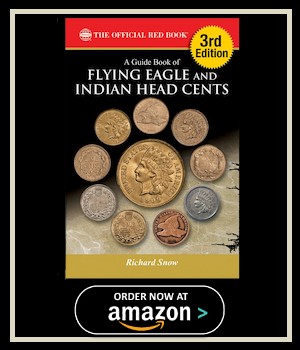
A Guide Book of Flying Eagle and Indian Head Cents. High-quality, full-color photographs illustrate each coin. Snow's detailed research includes yearly production notes, market values in multiple grades

 '
'