UK Gold Coins — Sovereigns, Britannias & World Gold
British Sovereigns • Gold Britannia • Half-Sovereigns • Ancient • European • World Bullion
UK Gold — Key Dates & Values
| Coin | Gold Content | Notes | Value Range | Shop |
|---|---|---|---|---|
| Gold Sovereign (common dates) | 0.2354 oz | Victoria through Elizabeth II — circulated examples | $500–$700+ | eBay → |
| 1819 Gold Sovereign | 0.2354 oz | Extremely low mintage — one of the rarest sovereigns | $20,000–$200,000+ | eBay → |
| Half-Sovereign (common dates) | 0.1177 oz | Victoria through George V — affordable British gold entry | $300–$450+ | eBay → |
| Gold Britannia 1 oz | 1 oz .9999 | 1987–present — modern bullion; CGT-free in UK | $1,900–$2,500+ | eBay → |
| Athens Owl Tetradrachm | Silver | 5th–4th century BC — most iconic ancient coin | $500–$50,000+ | eBay → |
| Mexican 50 Peso Gold | 1.2057 oz | 1921–1947 Centenario — largest popular gold coin | $2,200–$3,500+ | eBay → |
Origins of UK Gold Coinage
UK gold coins trace their beginnings to the Anglo-Saxon era, when early kings minted gold shillings as symbols of wealth and authority. This tradition evolved significantly in 1489 with the introduction of the gold sovereign under Henry VII — a coin whose purity and craftsmanship set a new standard and established a legacy that continues into the modern era. The sovereign became the backbone of Britain's monetary system and the most widely traded gold coin in the world during the 19th century, circulating across the British Empire from London to Bombay.
Among the most celebrated UK gold coins is the sovereign, featuring Benedetto Pistrucci's iconic St. George and the dragon design — first struck in 1817 and still used on sovereigns today. Historic pieces such as the guinea and half-sovereign also reflect Britain's economic expansion and artistic excellence. Over the centuries, the Royal Mint has maintained a reputation for intricate engraving, producing coins that blend national symbolism with exceptional craftsmanship.
British Gold — Sovereigns, Britannias & Rarities
Gold Sovereign — Common Dates
1819 Sovereign — Great Rarity
Gold Britannia 1 oz
Half-Sovereign
UK 2019 Una & the Lion
British 2008 Undated 20p Error
Ancient & World Gold
Athens Owl Tetradrachm
Julius Caesar Denarius
Byzantine Gold Solidus
French Gold 20 Francs
Mexican 50 Peso Gold (Centenario)
Russian Imperial Gold Roubles


The Gold Sovereign
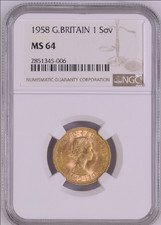
First minted in 1489 under King Henry VII, the gold sovereign has become one of the United Kingdom's most iconic coins. Though its face value is just one pound, its true worth lies in its gold content, artistry, and historical prestige. Featuring a portrait of the reigning monarch on the obverse and the timeless image of St. George slaying the dragon on the reverse, the sovereign remains a favorite among collectors and investors for its beauty and enduring legacy. Well over 1 billion sovereigns have been struck since 1817, yet certain dates — particularly the 1819 — survive in such small numbers that they command extraordinary premiums.
The Half-Sovereign
Introduced in 1544 during the reign of Henry VIII, the half-sovereign mirrors the design and elegance of its larger counterpart while offering a more accessible entry point into British gold coinage. With 0.1177 oz of gold, this smaller denomination carries the same historical charm and craftsmanship. Victorian and Edwardian half-sovereigns in circulated grades can be purchased near gold spot value, making them among the most cost-effective ways to own genuine historic British gold.
The Modern Britannia
Launched in 1987, the gold Britannia represents the modern era of British bullion. Its reverse features Britannia — a powerful symbol of national strength and resilience — while the obverse displays the reigning monarch. The Britannia has been upgraded to .9999 fine gold (24-karat) since 2013 and is fully capital gains tax exempt for UK citizens. Annual proof versions with changing designs from the Royal Mint attract collector interest beyond the standard bullion market.
Where to Buy UK & World Gold Coins
JM Bullion
Kitco
Money Metals Exchange
SD Bullion
Silver Gold Bull
eBay — British Sovereigns
eBay — Ancient World Coins
 Find UK Gold Coins on eBayMoney Back Guarantee
FindRareCoins.com participates in the eBay Partner Network, Amazon Associates, and AWIN affiliate programs. Purchases made through links on this page may earn us a commission at no additional cost to you.
Frequently Asked Questions
How much is a British gold sovereign worth?
A common-date circulating British gold sovereign contains 0.2354 oz of gold and typically trades at a small premium over gold spot price — generally $500–$700 at current gold prices. Key date sovereigns command much higher premiums: the 1819 sovereign is worth $20,000+ in even poor condition, and certain Victoria Young Head and scarce branch mint sovereigns (Sydney, Melbourne, Ottawa, Pretoria) carry meaningful premiums over common dates. Always buy certified sovereigns for any coin above $1,000.
Is the Gold Britannia a good investment?
The Gold Britannia is one of the most liquid gold coins in the world — widely recognized, government-guaranteed for weight and purity, and actively traded globally. For UK investors it has the additional advantage of being capital gains tax exempt. Its .9999 fine gold purity (since 2013) means no alloy discount versus pure gold standards. The annual proof versions and limited editions add a collectible dimension for numismatists. For investors, it competes directly with the Canadian Maple Leaf and Australian Kangaroo as a premium 24-karat option.
What makes ancient coins valuable?
Ancient coin values are driven by the same factors as modern numismatics — rarity, condition, and demand — plus the additional premium of historical significance. The Athens Owl tetradrachm is the most collected ancient coin because of Athens' central role in Western civilization. Julius Caesar lifetime denarii carry enormous premiums because of Caesar's historical stature and the coins' direct connection to a pivotal moment in history. Condition is judged differently for ancient coins — a "Fine" ancient coin may have better surfaces than a "Very Fine" because of different preservation conditions. NGC and PCGS both certify ancient coins and their authentication is essential for higher-value purchases.
What is the difference between a sovereign and a guinea?
The guinea (1663–1813) was a 22-karat gold coin worth 21 shillings — one pound and one shilling — and was the primary British gold coin before the sovereign. Its name comes from Guinea in West Africa, the source of much of the gold used in early strikes. The sovereign (1817–present) replaced the guinea as Britain's standard gold coin and was valued at exactly one pound (20 shillings). The guinea's odd valuation of 21 shillings made it convenient for professional fees and horse racing prizes — hence "guineas" still used in British racing today. Both are collected, with early guineas (Charles II, William III, Queen Anne) being significantly rarer than sovereigns.
Are world gold coins IRA-eligible?
Only specific coins meeting IRS fineness requirements qualify for gold IRAs. Eligible world gold coins include the Canadian Gold Maple Leaf (.9999 fine), Australian Gold Kangaroo (.9999 fine), Austrian Gold Philharmonic (.9999 fine), and British Gold Britannia (.9999 fine since 2013). The Krugerrand (.9167 fine) and older Gold Britannias (pre-2013) are generally not IRA-eligible. British sovereigns and ancient coins are collectibles and are specifically excluded from IRAs. Consult a qualified IRA custodian for current eligibility requirements as regulations can change.
How do I authenticate ancient coins before buying?
For any ancient coin above $200–$300, purchase only NGC or PCGS certified examples — both services authenticate and grade ancient coins, and their encapsulation is the strongest assurance of genuineness available. For lower-value purchases, buy from established ancient coin dealers with return policies and known reputations. Learn the specific characteristics of the coins you collect — weight, die style, metal composition, and patina are all indicators of authenticity. The ancient coin market has sophisticated forgeries; auction house provenance (documented prior ownership history) adds meaningful assurance for major pieces.
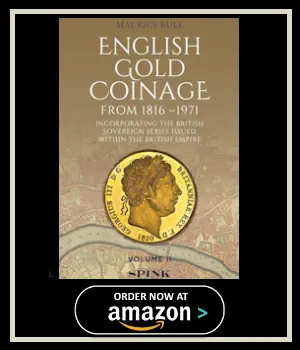
The second volume of this brand new comprehensive guide covers every type of English gold coin and includes many new varieties, along with rarity values, from 1816 onwards
 '
'