
Collecting Art
What Is Fine Art?
Fine art is one of the broadest and most multifaceted categories of human expression, encompassing far more than purely decorative or practical objects. What unifies the category is its capacity to engage a viewer on both a visual and intellectual level — a painting, sculpture, or photograph can be admired purely for its craftsmanship while simultaneously prompting reflection on the ideas, emotions, or historical moment it represents.
For collectors, this dual nature is part of the appeal. Building a fine art collection is never purely a financial exercise; even the most market-savvy collectors are typically drawn first to a particular aesthetic, subject, or movement that resonates with them personally, with investment considerations following rather than leading the decision.
Traditional Fine Art Forms
The traditional fine arts encompass several distinct creative mediums, each with its own collecting culture and market structure. Painting remains the most widely collected and most liquid category, spanning everything from museum-grade Old Masters to contemporary works by living artists. Sculpture has captivated collectors for centuries, ranging from classical marble and bronze to modern kinetic and abstract forms. Architecture is sometimes included in discussions of fine art as the most monumental of artistic achievements, though it falls outside what most private collectors can practically acquire.
Music and poetry have historically been recognized among the quintessential fine arts as well, and their influence on visual artists has been significant throughout history — many painters and sculptors have drawn directly on literary and musical themes for their work. Understanding these connections helps collectors appreciate why certain visual art movements emerged when and where they did, often in direct conversation with contemporary literary or musical movements.
Modern Art Evolution
The modern era has expanded the definition of fine art considerably, incorporating new technical mediums that earlier centuries could not have anticipated. Photography emerged in the 19th century and was gradually accepted into the fine art canon over subsequent decades, eventually developing its own dedicated collecting market with distinct conventions around vintage prints, edition sizes, and printing dates.
Video and new media art extended this expansion further in the 20th century, introducing entirely new questions about how a "collectible" artwork should be acquired, exhibited, and preserved when the work itself is time-based or technologically dependent. More recently, digital art and blockchain-verified works have opened a genuinely new frontier, redefining what ownership and provenance mean when the work has no physical form at all. Each of these expansions has broadened the field without displacing the traditional mediums that came before it — most serious collections today span several of these categories rather than focusing on just one.
Building Your Art Collection
Modern collectors have more entry points into art collecting than at any point in history. Beyond the traditional path of paintings and sculpture, digital art has emerged as a genuinely new frontier with its own market dynamics, while photography and limited-edition prints offer accessible price points for collectors building a collection gradually rather than through a small number of major acquisitions.
Understanding the conventions specific to each medium — what distinguishes a vintage photographic print from a later reprint, how bronze sculpture editions are numbered, or how digital art provenance is verified on a blockchain — helps collectors make genuinely informed decisions rather than relying purely on a dealer's representations. Each piece added to a collection should ultimately contribute to a coherent and personal artistic vision, whether that vision is organized around a particular era, medium, region, or theme.
Shop Fine Art on eBay
Browse paintings, sculpture, photography, and modern art from specialist sellers and galleries.
Art Collecting References on Amazon

Why Collect Fine Art?
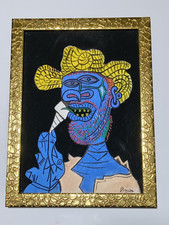
The decision to bring a piece of fine art into a living space extends far beyond decoration — it is a genuine opportunity to make a personal statement through aesthetic choice. Depending on subject matter and budget, a collector can select work that resonates emotionally, reflects personal values, or simply aligns with a particular visual sensibility. Fine art frequently becomes the focal point of a room, and pieces with interesting stories or distinctive styles tend to become natural conversation starters when guests visit.
Exploring the broader world of fine art collecting is its own kind of adventure, since the range of available material is genuinely enormous. Whether a collector is drawn to the elegance of a classical painting, the physical presence of a contemporary sculpture, the documentary power of a photograph, or the conceptual ambition of video and new media work, each medium offers a different way to live with and learn from art over time. The right entry point is simply whichever medium and price range genuinely connects with the collector — there is no single correct way into the hobby.
Where to Buy Fine Art
These are the marketplaces and resources used by art collectors at every level, from first-time buyers to advanced specialists.
eBay
A surprisingly active marketplace for paintings, sculpture, and photography across every price range. Use sold listings to gauge realistic current values before any purchase.
Browse on eBay →eBay — Photography Prints
A dedicated search for vintage and contemporary signed photography prints, one of the most accessible entry points into fine art collecting.
Browse Photography Prints →Major Auction Houses
Christie's, Sotheby's, and Heritage Auctions handle significant paintings, sculpture, and photography, with full provenance research and condition reporting.
Visit Christie's →Amazon
Art collecting reference guides, artist monographs, and archival framing and storage supplies for preserving works on paper and canvas.
Browse on Amazon →Appraisers Association of America
The leading professional body for art and personal property appraisers in the U.S., useful for finding a qualified appraiser before a significant purchase or sale.
Visit AAA →FRC Coin Price Guide
Our broader collectibles price guide for cross-category research alongside coins, currency, and other historical collectibles.
View Coin Prices →Related Collecting Guides
Frequently Asked Questions
How do I know if a painting is by the artist it's attributed to?
Attribution for significant works typically requires a combination of provenance documentation (a verified ownership history), stylistic analysis by a recognized scholar or catalogue raisonné committee for that artist, and increasingly, technical analysis such as pigment dating or infrared examination. For modest-value works, a less rigorous process is often acceptable, but any purchase marketed as "attributed to" a major name should come with as much documentation as the seller can provide.
What is a catalogue raisonné and why does it matter?
A catalogue raisonné is a comprehensive, scholarly listing of every known work by a particular artist, typically compiled by an expert or foundation dedicated to that artist's legacy. Inclusion in the catalogue raisonné is often treated as the closest thing to an official seal of authenticity for that artist's market, and works not listed in an existing catalogue raisonné face significant skepticism from serious buyers and major auction houses.
Is art a good investment compared to other collectibles?
Top-tier art by blue-chip artists has historically appreciated strongly, but the market is notoriously illiquid, opaque in pricing, and dominated by a relatively small number of established names. Most financial advisors who address art as an asset class recommend treating it as a long-term, illiquid holding rather than a primary investment vehicle, and emphasize that buyers should genuinely want to own and live with a piece regardless of its future market performance.
What's the difference between a vintage print and a later reprint in photography?
A vintage print is one made by the photographer (or under their direct supervision) close to the time the negative was originally captured. Later reprints, sometimes made decades afterward or even posthumously by an estate, are generally far less valuable even when printed from the same original negative, because the photographer's own hand and period-correct printing materials and techniques are considered integral to the work's value and authenticity.
How does digital and NFT art provenance work?
Digital art ownership is typically verified through a blockchain ledger, which records the transaction history and current ownership of a token associated with the artwork. This is fundamentally different from traditional art provenance, which relies on physical documentation, exhibition history, and expert attribution. The digital art market has also proven significantly more volatile than traditional fine art markets, and buyers should approach valuation with considerable caution.
Where can I find current art values?
Major auction house archives (Christie's, Sotheby's, Heritage Auctions) provide searchable realized prices for works that have sold publicly, which is the most reliable benchmark for comparable works. A qualified appraiser through the Appraisers Association of America is the appropriate resource for formal valuations needed for insurance, estate planning, or sale. eBay completed listings offer useful context for more modestly priced and contemporary works.


 '
'