
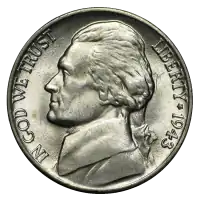
Jefferson Nickel Coins
The Origins of the Jefferson Nickel
The Jefferson Nickel has played a key role in American coinage since 1938. It replaced the Buffalo Nickel, which had been in circulation since 1913. As a result, collectors were introduced to a fresh and historically significant design. The U.S. Treasury, therefore, launched a design competition to feature Thomas Jefferson, the third U.S. president. Felix Schlag, a German-born sculptor, won the design competition. Interestingly, his original reverse design was later modified. Nevertheless, Jefferson’s portrait and his Monticello home became iconic symbols. Eventually, the coin entered circulation in late 1938.
Wartime Changes and the Silver Alloy
During World War II, nickel became essential for military manufacturing. Consequently, the U.S. Mint altered the coin’s composition from 1942 to 1945. These “War Nickels” used silver, copper, and manganese instead of nickel. These coins are easy to recognize. Notably, they feature large mint marks above Monticello on the reverse. In addition, they contain 35% silver, which adds to their value. As a result, collectors often seek them out.
Post-War Years and Minor Redesigns
After the war, the Mint returned to using nickel in its original form. Although the design remained stable for decades, small improvements were made. For example, changes enhanced the visibility of Monticello’s dome and steps. Additionally, strike quality improved across all mints.
Major Redesign in the 2000s
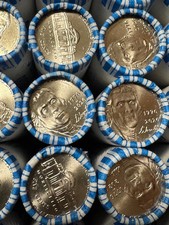
In 2004 and 2005, the Mint introduced new reverse designs as part of the Westward Journey Nickel Series. These coins celebrated the Lewis and Clark Expedition. Then in 2006, a new obverse portrait of Jefferson debuted, designed by Jamie Franki. As a result, the coin took on a more modern and forward-looking appearance.
Why Collect Jefferson Nickels?
Jefferson Nickels are ideal for beginning collectors. Not only are they affordable, but they also include rare varieties and silver issues. Moreover, many are still found in pocket change. Because of this, they offer an easy entry into the world of numismatics.
Popular Coins in the Series
Some Jefferson Nickels are especially valuable:
– 1939-D (low mintage)
– 1943-P (silver wartime issue)
– 1950-D (key date)
– Full Steps varieties (well-struck examples)
Additionally, collectors often search for coins with strong details and mint luster. Therefore, it’s worth inspecting each coin carefully.
A Pillar of Modern Coin Collecting
The Jefferson Nickel remains a foundational piece in U.S. coinage. Thanks to its rich history, evolving designs, and collectible value, it continues to attract both new and experienced collectors. Whether you’re starting with circulated coins or building a full set, this classic five-cent piece offers both education and enjoyment.



 '
'