African coins

African Coins

The coins of Africa hold a rich tapestry of history and culture. Furthermore, they represent monetary evolution spanning millennia. These small pieces of metal provide fascinating insights into the continent’s heritage.Moreover, African coins reveal interactions with external forces. They also showcase the contemporary economic landscape. In this exploration, we’ll journey through time, covering various periods.

Ancient Origins and Early Development

Ancient Africa witnessed the emergence of diverse coinage systems. Additionally, these coins mirrored the wealth of their people. They also reflected the abundant resources available across different regions.Consequently, early African societies developed sophisticated monetary systems. These systems facilitated trade and commerce throughout the continent.

Pre-Colonial Coinage Systems

Before colonial influence, African communities created unique currency forms. For instance, some regions used metal bars and rings. Others developed intricate bead-based monetary systems.Similarly, certain areas utilized cowrie shells as currency. These shells became widely accepted across various African societies.

Colonial Influence and Transformation

Colonial powers significantly impacted African monetary systems. As a result, traditional currencies gradually gave way to European designs. This transformation reshaped the continent’s financial landscape. Nevertheless, some traditional elements persisted alongside colonial currencies. This created fascinating hybrid monetary systems in certain regions.

European Colonial Currencies

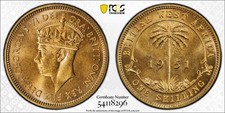
British, French, and Portuguese colonies introduced distinct coinage systems. Therefore, each colonial power left its unique mark on regional currencies. These influences remain visible in modern African coins.

Modern African Currencies

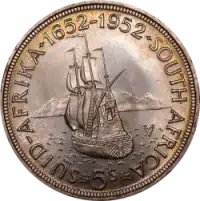
Today’s African currencies reflect the continent’s independence and cultural identity. Furthermore, they showcase technological advancement and artistic expression. Modern coins feature indigenous symbols, wildlife, and historical figures. Additionally, contemporary African currencies serve growing economies. They facilitate international trade while maintaining cultural significance.

Regional Currency Unions

Several African regions have established currency unions. For example, the West African Economic and Monetary Union uses the CFA franc. Similarly, the Central African Economic and Monetary Union shares a common currency. Consequently, these unions promote economic integration and stability. They also simplify trade between member nations. African coins tell a compelling story of cultural evolution, economic development, and artistic expression across centuries.

Precious metals like gold and silver were favored for coin production, but base metals like brass, copper, and iron also found their place in the creation of these early forms of currency. These coins played vital roles in facilitating trade, enabling economic transactions, and showcasing the artistic and technical skills of the societies that minted them. One of the earliest coinages in Africa dates back to the Kushan Empire in the 1st century AD. These coins were crafted from a mixture of metals, with gold, silver, and copper being common components. Their use extended far and wide, with archaeological finds providing evidence of their presence in various regions across the continent.

The World Encyclopedia of Coins


The World Encyclopedia of Coins

The definitive illustrated reference to the world’s greatest coins and a professional guide to building a spectacular collection, featuring more than 3000 images