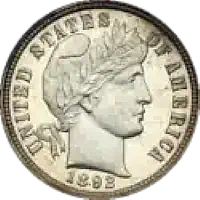

United States Barber Dimes
United States Dimes
Mercury, Roosevelt & Classic Silver Dimes
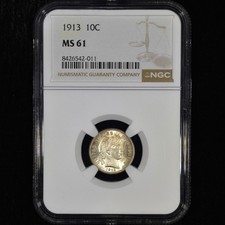
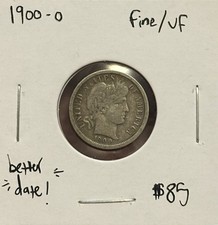
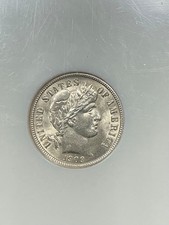
The Barber Dime’s Distinctive Design
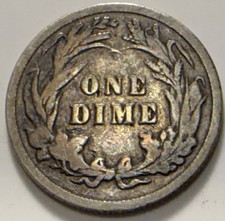
The Barber dime’s reverse features a heraldic eagle with outstretched wings and a shield on its chest, a powerful symbol of American strength and national pride. This bold imagery set the coin apart from earlier designs and reflected the era’s emphasis on classical patriotism. The combination of strong lines and traditional heraldry gave the Barber dime a dignified, authoritative presence in everyday commerce.
Origins and Artistic Challenges
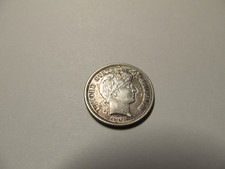
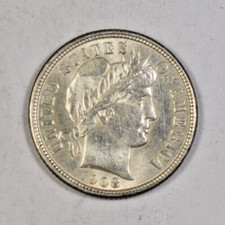
Designed by Chief Engraver Charles E. Barber, the Liberty Head dime was minted from 1892 to 1916 and remains an important chapter in U.S. numismatic history. Its creation began in 1891 when Mint Director Edward O. Leech launched a national competition to find new designs for the dime, quarter, and half dollar. Despite the prestige and prize money offered, many prominent artists declined to participate, viewing coin design as beneath their artistic ambitions or too constrained for creative expression.
Barber’s Lasting Contribution
With few artists willing to compete, Barber ultimately took on the project himself, producing a design that balanced practicality, symbolism, and aesthetic appeal. His Liberty Head portrait and heraldic eagle reverse became defining features of late‑19th‑century American coinage. Today, Barber dimes are valued not only for their silver content and collectible dates but also for the story behind their creation—a blend of artistic reluctance, institutional necessity, and enduring craftsmanship.