
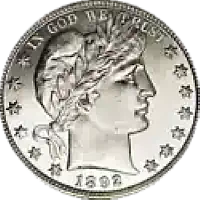
Barber Half Dollars
Designer Background
Charles E. Barber, one of America’s most influential engravers, left a lasting legacy through his extensive work at the U.S. Mint. As the designer of several iconic coin series, including the Barber Half Dollar, his artistic style shaped late 19th‑century American coinage. His designs remain highly recognizable today, and collectors continue to appreciate the craftsmanship and historical importance of his work.
Barber Half Dollar Production
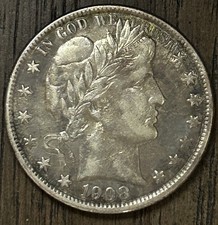
Minted from 1892 to 1916, Barber Half Dollars represent a significant era in U.S. coinage history. Struck in 90% silver and 10% copper, they carry both intrinsic metal value and strong numismatic appeal. Their 24‑year production run includes numerous dates and mintmarks, offering collectors a wide range of options—from common circulation pieces to scarce, high‑grade examples that command premium prices.
Historical Significance and Collector Appeal
Barber Half Dollars are admired for their classical Liberty portrait and heraldic eagle reverse, reflecting the artistic tastes of the late 1800s. Their blend of historical relevance, silver content, and aesthetic charm makes them popular among collectors and investors alike. Rarity and condition play major roles in determining value, with low‑mintage years and well‑preserved coins especially sought after. As a result, Barber Half Dollars remain enduring treasures in American numismatics.
United States Half Dollars
Classic, Walking, Franklin & Kennedy Half Dollars

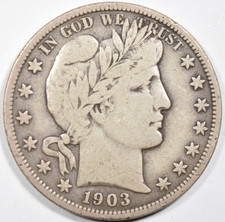


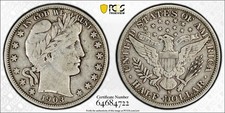

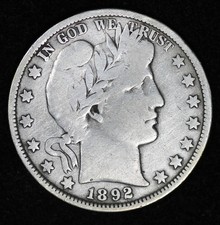

Guide Book of Barber Silver Coins - Advice and instructions on grading and smart collecting, along with retail prices in up to 12 grades (including Proofs)
 '
'