

Ancient Byzantine Coins
🏛 Byzantine Coins: A Glimpse into an Empire
The Byzantine Empire, which flourished from 300 to 1400 AD, issued a fascinating variety of coins. These coins were widely used. In fact, they circulated across the eastern Roman Empire. This region, moreover, had significantly transformed after its split from the western part. Consequently, their design and circulation clearly reflect the empire’s changing dynamics.
💰 Types of Byzantine Currency
- Gold Solidus: This coin was renowned for its stability. Indeed, the solidus held strong value for centuries. Thus, it became the very foundation of Byzantine monetary systems. Furthermore, its consistent worth facilitated long-distance trade. It also ensured economic stability, as a result.
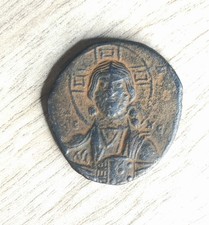
- Bronze Coinage: In addition to gold, bronze pieces were crafted. For instance, these were used for local trade and daily transactions. Moreover, these coins often included images of rulers. They also featured meaningful inscriptions. Therefore, they offer valuable insights into the era’s political and social landscape.
✝️ Christian Influence on Coin Design
Christianity profoundly shaped many aspects of Byzantine life. Coin design, furthermore, was certainly no exception. Most coins prominently displayed a cross. This, indeed, symbolized the empire’s deep devotion. It also clearly showed the church’s growing role in government. These religious motifs, therefore, served as powerful visual declarations of faith and imperial authority.
Ancient Coins
Greek, Roman & Byzantine Treasures


 '
'