Gold One Dollar Coins
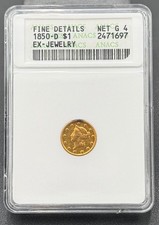
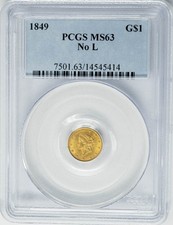
Gold One Dollar Coins, minted from 1849 to 1889, feature a striking design. Lady Liberty adorns the obverse, wearing a coronet inscribed with “Liberty.” For example, stars encircle the coronet, adding elegance. Consequently, this design captivates collectors today. The obverse showcases Lady Liberty’s portrait. Her coronet, marked “Liberty,” symbolizes freedom. Moreover, surrounding stars enhance the coin’s aesthetic. This design reflects America’s artistic heritage. The coin’s reverse displays a wreath around “1 DOLLAR” and the mintage year. This simple yet elegant design conveys value. For instance, the wreath symbolizes prosperity. Thus, it appeals to numismatists. The wreath encircles the denomination clearly. The mintage year adds historical context. Furthermore, the design’s simplicity ensures clarity. This makes the coin a favorite among collectors.
Historical Context and Collector Appeal
Gold One Dollar Coins emerged during the California Gold Rush, a period that dramatically increased the nation’s gold supply. Their small size made them practical for everyday transactions, yet they were often criticized for being too delicate and easy to lose. Despite this, collectors today prize these coins for their rarity and historical significance. Limited mintages and the passage of time have elevated their desirability, with high‑grade examples commanding strong premiums. As a result, the Gold One Dollar Coin remains both a symbol of America’s economic expansion and a treasured highlight in numismatic collections.
Economic Role in Everyday Life
During the mid‑19th century, Gold One Dollar Coins played a practical role in commerce. Their small denomination made them useful for daily purchases, especially in frontier towns where paper money was less trusted. Merchants and travelers valued the coins for their portability and intrinsic worth. Although their tiny size sometimes made them inconvenient to handle, they represented a tangible link between the booming gold supply and the expanding American economy.
Modern Numismatic Significance
In today’s collecting world, Gold One Dollar Coins are admired not only for their artistry but also for their scarcity. Many examples were lost or melted over time, leaving fewer survivors for collectors to pursue. Numismatists appreciate the challenge of assembling complete sets across the three design types. Auction records show that well‑preserved specimens can achieve impressive prices, underscoring their enduring appeal. For enthusiasts, these coins embody both the romance of the Gold Rush era and the sophistication of 19th‑century coinage design.
Introduction of the Type 3 Design
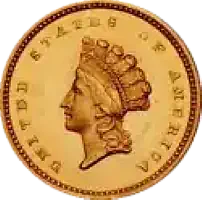
In response to ongoing criticism about the small size of the gold $1 coin, Mint Chief Engraver James B. Longacre unveiled the Type 3 design in 1856. Known as the Indian Princess or “Large Head” design, it represented a significant departure from the earlier two types. The coin featured a larger diameter, addressing concerns about practicality, while presenting Lady Liberty as a Native American princess adorned with a feathered headdress. This artistic shift gave the coin a distinctive identity within U.S. numismatics.
Artistic Interpretation and Collector Response
The Type 3 design broke from tradition by portraying Liberty in a new and captivating way. Collectors admired this unconventional approach, seeing it as a celebration of America’s cultural diversity. On the obverse, the Native American princess appears in profile, her headdress inscribed with the word “Liberty.” The reverse retained the familiar wreath and denomination but introduced refined lettering styles. Together, these elements created a coin that blended symbolism, artistry, and historical significance, ensuring its lasting appeal among numismatists.


'