
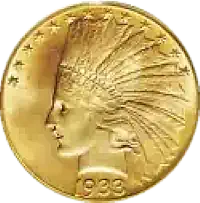
Origins of the US Gold Eagle
The $10 Gold Eagle, first minted in 1795, played a crucial role in stabilizing the young nation’s economy. As America sought reliable currency to support expanding commerce, the Eagle became one of the earliest high‑value gold denominations produced by the U.S. Mint. Its introduction helped strengthen financial confidence and laid the foundation for the country’s developing monetary system.
Design and Symbolism
Early Gold Eagles were designed by Robert Scot, featuring Liberty wearing a Phrygian cap on the obverse and a powerful eagle on the reverse. These elements symbolized freedom, national strength, and the ideals of the new republic. Over time, the artistry and symbolism of these designs have continued to captivate collectors who appreciate their historical and aesthetic significance.
Production and Rarity
Minted from 1795 to 1933, Gold Eagles saw widely varying production levels, with certain years—such as the scarce 1804 issues—struck in extremely limited quantities. These low‑mintage dates, combined with the series’ long history and intricate designs, make the coins highly desirable among numismatists. Today, rare variants command strong premiums and remain prized as enduring treasures of early American coinage.
United States Gold Coins
Certified Gold Coins & Investment Grade


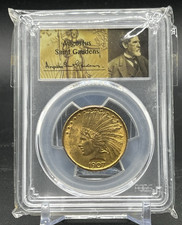

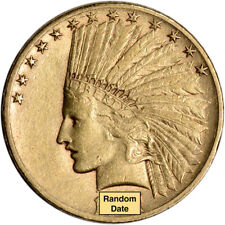
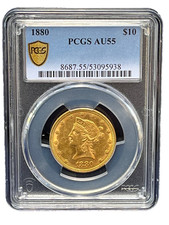
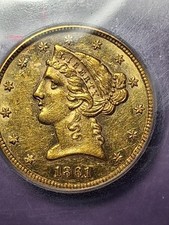

Collecting and Investing Strategies for United States Gold Coins This book covers regular-issue gold series from 1795 through 1933 and informs the reader on a number of investing strategies, including collecting by type, variety, or rarer issues.
 '
'