Liberty Head Nickel
An Iconic Chapter in U.S. Coinage
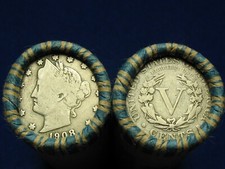
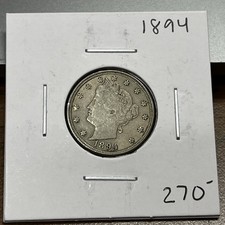
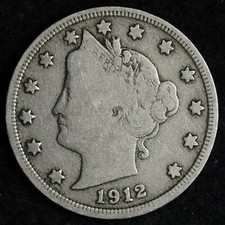
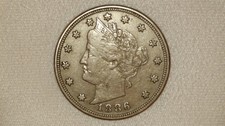
The Liberty Head Nickel, often called the “V Nickel,” played a notable role in American numismatic history. Introduced in 1883, it was designed by Charles E. Barber, the Chief Engraver of the U.S. Mint. On the obverse, the coin features a classical portrait of Lady Liberty. Surrounding her are thirteen stars representing the original colonies. The reverse side originally displayed a large Roman numeral “V,” symbolizing its five-cent value. This was framed by a decorative wreath. However, early coins did not include the word “CENTS.” As a result, some individuals gold-plated the coins and passed them off as five-dollar gold pieces. Consequently, the Mint quickly modified the design to include “CENTS” below the “V.”
The Barber Design and Its Significance
Charles Barber’s design was simple yet elegant. Unlike earlier U.S. coins, the Liberty Head Nickel aimed to reflect national identity without complex symbolism. Because of its clean lines and classical look, the coin stood out among its contemporaries. Each Liberty Head Nickel was struck in a copper-nickel alloy. The coin measured 21.2 mm in diameter and weighed five grams. These specifications remained consistent throughout its entire production run. Additionally, its composition made it durable and ideal for everyday use.
Years of Production and Mintage
The Liberty Head Nickel was minted from 1883 to 1912. During this 30-year span, production occurred at the Philadelphia Mint only. There were no mint marks on any of the coins. Notably, in 1913, five unofficial Liberty Head Nickels were struck—these became some of the most famous rarities in American coin collecting. Although the coin officially ended in 1912, five Liberty Head Nickels dated 1913 were produced under mysterious circumstances. No Mint records exist for their creation. Today, these coins are considered priceless. In fact, one example sold for over $4 million in a private auction.
Collectibility and Value Today
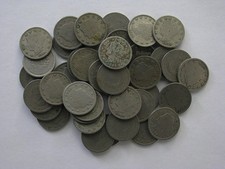
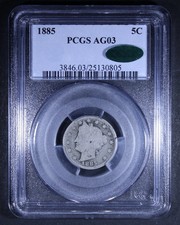
Today, Liberty Head Nickels remain a popular choice among collectors. Lower-grade examples are affordable, making them accessible for beginners. Meanwhile, high-grade and key-date coins can command significant prices. For example, the 1885 and 1886 issues are known for their lower mintages and higher value. If you’re starting a Liberty Head Nickel collection, focus on condition and authenticity. Coins should be evaluated for wear, toning, and possible cleaning. Additionally, using third-party grading services can provide peace of mind. Resources such as coin price guides and auction records also help determine fair market value.
A Lasting Legacy in U.S. Coinage
In conclusion, the Liberty Head Nickel offers collectors a unique connection to late 19th- and early 20th-century America. Thanks to its historical importance, appealing design, and collecting challenges, it remains a favorite among numismatists. Whether you’re drawn to its beauty or its mystery, the Liberty Head Nickel is a treasure worth exploring.



 '
'