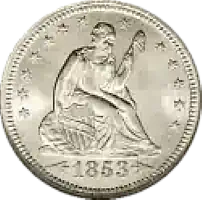
Seated Liberty Half Dollar Coins
Introduction to Seated Liberty Half Dollars
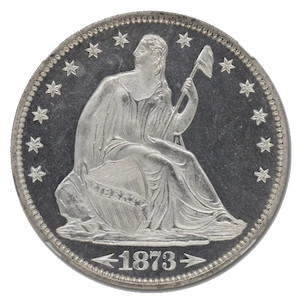
The United States Seated Liberty Half Dollar debuted in 1839 as part of a sweeping redesign of American silver coinage. This transformation reflected a period of artistic and political change in the country. Designed by Chief Engraver Christian Gobrecht, the coin featured Lady Liberty seated on a rock. In one hand, she held a shield inscribed with the word “Liberty,” symbolizing national ideals. In the other, she held a staff topped with a Phrygian cap, a traditional symbol of freedom and democracy.
As a result of its striking imagery, the coin quickly gained popularity. It not only represented liberty but also served as a beautiful example of 19th-century American engraving. Importantly, the design endured for decades with only modest adjustments.
Design Evolution and Symbolism
Obverse Design: Liberty Personified
The obverse of the coin portrayed Lady Liberty surrounded by thirteen stars, representing the original colonies. Her relaxed pose conveyed peace, while the shield and staff emphasized vigilance and national unity. Clearly, every element was carefully selected to convey meaning.
Reverse Imagery: Strength and Peace
The reverse depicted an eagle with wings spread wide. It grasped arrows in one claw and an olive branch in the other. This imagery symbolized both military readiness and a preference for peace. Moreover, it aligned with the country’s post-Revolutionary ideals.
Production, Mint Marks, and Historical Context
Where the Coins Were Minted
Seated Liberty Half Dollars were minted in several locations. These included Philadelphia (no mint mark), New Orleans (“O”), San Francisco (“S”), and Carson City (“CC”). Notably, mint marks are found below the eagle on the reverse of later issues.
Timeline and Changes Over Time
Minted from 1839 to 1891, the series underwent several modifications. In 1866, the motto “In God We Trust” was added above the eagle, reflecting post-Civil War sentiment. Although the overall layout remained, such changes kept the design relevant and timely.
Additionally, changes in silver content and legislation affected production. These factors make collecting Seated Liberty Half Dollars both interesting and educational.
Collecting the Seated Liberty Half Dollar
What Makes These Coins Valuable?
Several factors contribute to the value of a Seated Liberty Half Dollar. These include the year of issue, mint location, total mintage, and the coin’s condition. Moreover, coins with low mintage numbers or in high grades often command premium prices.
Popular Years Among Collectors
Coins minted at the Carson City Mint are especially sought after. For example, the 1870-CC issue is rare and valuable. Likewise, coins with sharp strikes and original surfaces are favorites among collectors.
Tips for New Collectors
If you’re just starting out, begin by learning to identify key dates and mint marks. Furthermore, consider purchasing professionally graded coins for authenticity and resale confidence. Joining a numismatic club or online forum can also enhance your knowledge.
Conclusion: A Timeless Symbol of Liberty
In summary, the Seated Liberty Half Dollar remains a classic piece of American coinage. Its symbolism, artistry, and historical importance make it a favorite among collectors. Whether you are drawn to its design or its story, this coin is a rewarding addition to any collection.
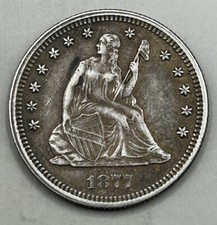
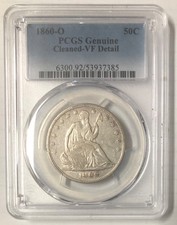
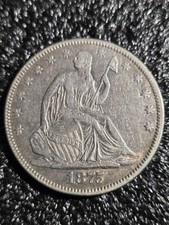
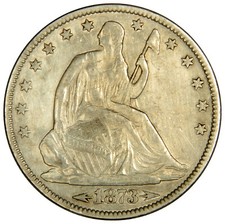

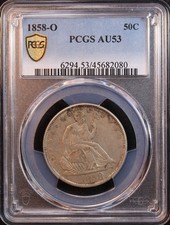
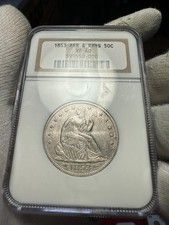
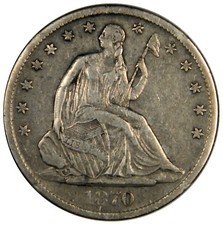
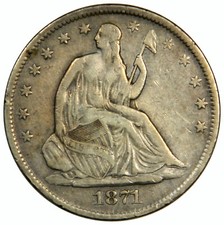
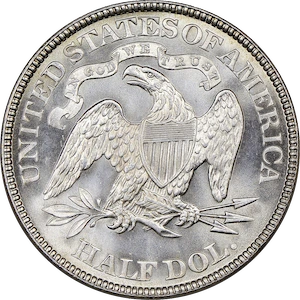
The Seated Liberty Half Dollar remained in circulation from 1839 until 1891, undergoing several noteworthy modifications during its long run. In 1866, a momentous addition altered the course of its design evolution. The phrase “In God We Trust” was inscribed on the reverse side of the coin, making it the first time such a religious sentiment appeared on U.S. coinage. This addition was not without its controversies, but it ultimately prevailed and is now a cherished element of American numismatic history.
Another significant change came in 1873 when arrows were introduced to the design. Coins minted from 1873 to 1874 featured arrows flanking either side of the date. This addition was a response to a reduction in the weight of the coin, as it served to indicate the altered specifications. The changes to the design of the Seated Liberty Half Dollar were not arbitrary but were made in response to practical and economic factors, which makes the coin’s history all the more intriguing.
Throughout its history, the Seated Liberty Half Dollar was not merely a collector’s dream; it was a coin that saw wide circulation and everyday use in the United States. In an era when silver coins were a cornerstone of the nation’s currency system, the Seated Liberty Half Dollar held a prominent place. People across the country used it in their daily transactions, and many individuals chose to save these coins as a form of investment for the future. The coin’s widespread circulation and utility were testament to its significance and popularity during the 19th century.
Today, the Seated Liberty Half Dollar holds a special place in the hearts of coin collectors and numismatists. Its historical significance and the rarity of certain variations have made it a highly sought-after piece of Americana. Collectors scour auctions, coin shows, and online marketplaces in the hope of acquiring one of these numismatic treasures. Some of the rarer specimens can command jaw-dropping prices, with a few fetching tens or even hundreds of thousands of dollars.
 '
'