
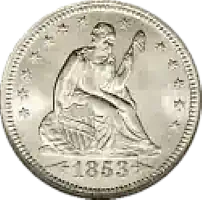
Seated Liberty Quarters
Introduction to the Seated Liberty Quarter
The Seated Liberty Quarter, introduced in 1838, marked a major shift in U.S. coin design as it replaced the Capped Bust series and embraced a more classical artistic style. Designed by Christian Gobrecht, the obverse features Lady Liberty seated on a rock holding a shield and liberty cap, while the reverse displays a powerful eagle clutching arrows and an olive branch. This elegant imagery reflected the nation’s ideals of strength, freedom, and stability, helping the design resonate with both the public and government throughout its long production run.
Symbolism and Key Design Elements
The coin’s artwork conveyed important national values during a period of rapid expansion and change. Liberty’s seated pose symbolizes steadiness, the shield marked “Liberty” represents the nation’s core principles, and the liberty cap atop the staff evokes ancient symbols of freedom. On the reverse, the eagle’s arrows signify readiness for defense, while the olive branch emphasizes America’s preference for peace. This thoughtful blend of symbolism made the Seated Liberty Quarter one of the most meaningful designs of the 19th century.
Historical Context and Collecting Appeal
Minted from 1838 to 1891, the Seated Liberty Quarter underwent several notable changes, including arrows at the date to indicate weight adjustments and the addition of “In God We Trust” in 1866. Struck at multiple U.S. Mint branches—Philadelphia, New Orleans, San Francisco, and Carson City—the series offers a wide range of mintmark and date combinations that influence rarity and value. Today, collectors prize these quarters for their historical depth, classic design, and numerous varieties, making them a rewarding and enduring part of American numismatic heritage.
United States Quarters
Rare State Quarters, Silver & Collectible Coins
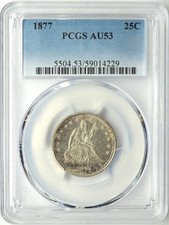
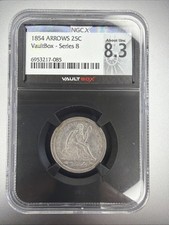


A Guide Book of Liberty Seated Coins. Values & Market Data – Includes detailed retail pricing, auction records, rarity ratings, and certified population data to guide collectors and investors.
 '
'