
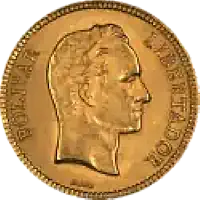
South American Coins
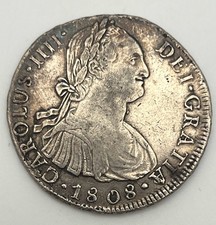
South American numismatics spans from pre-Columbian trade systems to the powerful colonial mints that reshaped global commerce. Before European arrival, civilizations such as the Inca used gold and silver objects as early forms of currency, laying the groundwork for later monetary systems. With Spanish colonization, major mints in Potosí and Lima produced vast quantities of silver and gold coins—including the famous “pieces of eight”—which circulated worldwide and fueled international trade.
Independence and National Identity
Following independence in the 19th century, nations like Argentina, Brazil, and others introduced their own coinage, often featuring national heroes, emblems, and symbols of emerging identity. Economic challenges, including metal shortages and inflation, influenced the shift from precious metals to base‑metal coins. These transitions reflect each country’s evolving political and economic landscape, making their coinage a rich record of regional transformation.
Collecting and Notable Issues
South America produced many iconic coins, from Bolivia’s highly prized Potosí reales to Brazil’s gold imperial issues featuring Emperor Pedro II. Today, collectors value these pieces for their artistry, rarity, and historical significance. Proper storage and certification through services like NGC and PCGS help preserve their condition and verify authenticity. Together, these coins offer a vivid window into the continent’s cultural and economic evolution, making them cherished artifacts for historians and numismatists alike.
World Coins
Certified Gold & Silver from Every Era


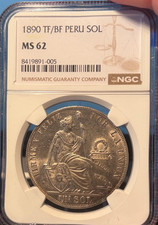
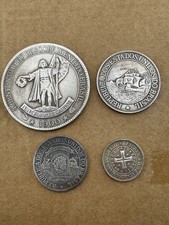
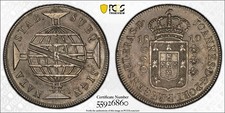



The definitive illustrated reference to the world’s greatest coins and a professional guide to building a spectacular collection, featuring more than 3000 images
The authors have listed more than 22,000 coin types, which are illustrated with more than 8,500 photos― each one of them in color. Each country’s section includes tables of weight and fineness.
From Barter to the First Colonial Coins
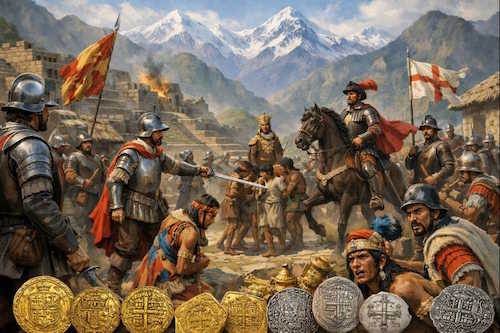
Long before Europeans arrived, South American civilizations such as the Inca relied on sophisticated barter systems rather than minted currency, trading textiles, maize, and labor as economic staples. This changed dramatically in the 16th century when Spanish conquistadors introduced formal coinage, establishing mints and replacing barter with standardized currency. The shift marked a major turning point in regional commerce and laid the foundation for South America’s numismatic history.
Spanish Colonial Influence
Under Spanish rule, South America became a major center of global coin production. Colonial mints issued gold and silver reales, pesos, and escudos—coins that circulated not only across the continent but throughout international trade networks. Their detailed designs and high metal purity made them prized both in their time and among modern collectors, reflecting the wealth and reach of the Spanish Empire.
A Legacy of Craftsmanship and Global Trade
These colonial coins played a crucial role in shaping global commerce, with pieces like the silver real becoming widely accepted across continents. Their artistry, craftsmanship, and historical significance continue to captivate numismatists today. Together, pre‑Columbian exchange systems and Spanish‑minted currency form a rich narrative of South America’s economic evolution and enduring cultural heritage.
 '
'