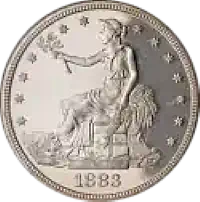
historic trade dollar

United States Trade Dollars

United States Trade Dollars, first minted in 1873, embody America’s 19th-century global trade ambitions. For example, they facilitated commerce with East Asia, especially China, and remain prized by collectors today.

Origins of the Trade Dollar

Designed for Global Markets

In the 1870s, the U.S. aimed to rival British and Mexican coins in Asia. Therefore, the Mint created the trade dollar, a silver coin weighing 420 grains (27.22 grams) with 90% silver and 10% copper.

Economic Role

The coin’s standardized weight and purity ensured acceptance abroad. Thus, it became a key player in global trade, boosting U.S. commerce in Asian markets.

Iconic Design Features

Obverse: Lady Liberty

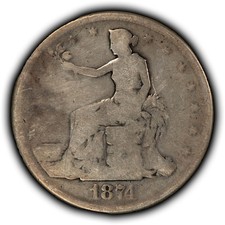
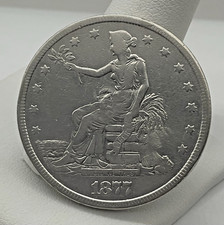
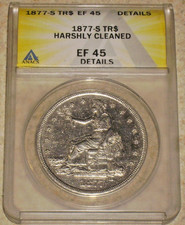
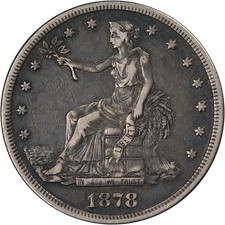
William Barber designed the obverse, featuring Lady Liberty holding an olive branch and arrows. This symbolized peace and strength. Moreover, inscriptions read “United States of America” and “In God We Trust.”

Reverse: The Eagle

The reverse showcased an eagle clutching arrows and an olive branch. Additionally, inscriptions noted “Trade Dollar” and “420 GRAINS 900 FINE,” indicating weight and purity.

Production and Challenges

Minting and Circulation

Minted from 1873 to 1885, trade dollars thrived in Asia. However, domestic use was limited. Legal tender status ended in 1876 due to fluctuating silver prices.

Rare Variants

Production slowed after 1878, with proof-only issues until 1885. For instance, the 1885 trade dollar, with only five known examples, is highly sought after.

Collector Appeal

Rarity and Demand

Collectors prize trade dollars for their history and scarcity. Key dates, like 1878 and 1885 proofs, command high prices. Well-preserved coins attract strong interest.

Market Value

High-grade trade dollars, especially with sharp details, are valuable. For example, rare proofs often sell for thousands at auctions, drawing dedicated collectors.

Preserving Trade Dollars

Storage Tips

Collectors use acid-free holders to protect trade dollars. Low humidity prevents tarnish. Consequently, proper care preserves their value and beauty.

Historical Significance

These coins reflect America’s global trade ambitions. Their unique role in commerce fascinates collectors. Thus, they remain cherished numismatic artifacts.

United States Trade Dollars tell a story of commerce and artistry. From their role in Asian trade to their rarity today, they captivate enthusiasts. Therefore, these coins stand as enduring symbols of America’s numismatic heritage, ready to inspire anew.

eBay authentication failed. Please check your API credentials.

Investing in Coins

The concept of the silver trade dollar emerged during a time when the United States was actively participating in international trade, particularly with China. During the late 19th century, trade between the United States and the Far East, including China, was expanding significantly. These trade dollars were specifically created to facilitate this trade. To understand the significance and historical context of the United States silver trade dollar, it is essential to delve into the economic and geopolitical factors that shaped its existence and eventual discontinuation.

Initially, the silver trade dollar was well-received and widely embraced in international trade. Its composition, with a high silver content, made it an attractive choice for foreign nations, especially those in the Far East. The coin’s weight and purity made it a reliable medium of exchange in global commerce. American merchants and traders were using these trade dollars to facilitate transactions with foreign partners, particularly in China. These coins were trusted for their silver content, and their design, incorporating Lady Liberty and the iconic bald eagle, was a symbol of American values and strength.

However, the late 1870s brought about significant changes in the global economic landscape. The value of silver began to decline, and many countries began to prefer using gold as the standard for international trade. This shift in preference from silver to gold had profound implications for the silver trade dollar. As the value of silver decreased relative to gold, the demand for silver trade dollars also declined. In response to these changing economic dynamics, the United States government made the decision to cease the minting of silver trade dollars in 1878.

This marked the end of the initial era of the silver trade dollar. Although the coin was no longer being produced, those already in circulation continued to be used in international trade, particularly with China. Over time, as the world economy continued to evolve, the prominence of the silver trade dollar waned, but it remained a testament to an era of international commerce and American numismatic heritage.

Over the years, collectors have developed a keen interest in acquiring well-preserved examples of the United States silver trade dollar. These coins often appear in various grades, from well-circulated to mint condition. Collectors may seek out coins that exhibit minimal wear and feature sharp details of Lady Liberty, the eagle, and the inscriptions. The value of these coins in the numismatic market can vary widely, with rarer dates and higher-grade specimens commanding premium prices.

In addition to their appeal to collectors, United States silver trade dollars continue to captivate historians and researchers. These coins provide a tangible link to the past, offering insights into the economic relationships between the United States and other nations during the late 19th century. They serve as a historical record of the nation’s involvement in international trade and the evolving preferences for currency materials.