

Vintage Telephones
The Invention That Changed Communication
Alexander Graham Bell transformed communication in 1876 with the invention of the telephone, allowing people to speak across long distances for the first time. Just two years later, New Haven introduced the first commercial telephone exchange, enabling multiple users to share a single system and setting the foundation for modern telephone networks.
Design, Durability, and Craftsmanship
Early telephones looked very different from today’s devices. Wall‑mounted units with cords and bulky housings earned them the nickname “Ma Bell” phones. Despite their size, these vintage models were remarkably durable—many owners recall that they rarely, if ever, broke. Their rugged construction reflects the exceptional craftsmanship of the era.
The Appeal of Collecting Vintage Telephones
Collectors value vintage telephones for their historical significance, nostalgic charm, and impressive build quality. These devices highlight major milestones in communication and showcase mechanical designs that fascinate technology enthusiasts. When starting a collection, it helps to focus on a specific era or brand, check for working condition, and look for original components to ensure authenticity.
Vintage Telephones
Classic Communication Collectibles
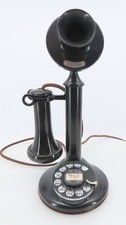


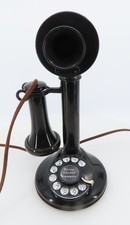





Enjoy this wonderful revised 3rd edition of innovative telephones in over 500 color photographs tracing the development of the telephone from Bell's first experimental equipment. The

 '
'