

World Paper Money
The Fascinating History of Banknotes
Paper money revolutionized global commerce over centuries. First appearing in ancient China, it solved key problems with metal coins. Later, Europe adopted this innovative payment method during the 17th century.
Why Paper Money Replaced Coins
Several advantages made banknotes preferable:
- Convenience: Lighter than heavy metal coins
- Security: Reduced robbery risks during transport
- Efficiency: Simplified large transactions
China’s Pioneering Paper Currency
The Song Dynasty (10th-13th century) introduced the first paper money. Chinese merchants quickly adopted these bills because they:
- Eliminated the need to carry heavy coins
- Facilitated long-distance trade
- Stimulated economic growth
How Paper Money Spread Globally
After China’s innovation, paper currency gradually reached other regions. European merchants first encountered it through trade routes. Eventually, Sweden issued Europe’s first official banknotes in 1661.
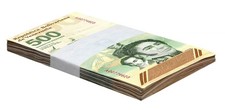
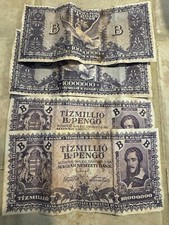
Collecting World Banknotes Today
Modern collectors value paper money for several reasons:
- Historical significance: Documents economic evolution
- Artistic value: Features intricate designs
- Cultural insight: Reflects national identities


 '
'