
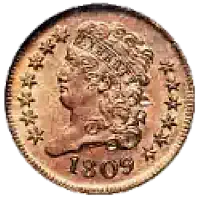
US Half Cent Coins
Origins of the Half Cent
US Half Cent coins, first issued in 1793, represent one of the earliest denominations in American coinage and played a vital role in everyday commerce. Authorized under the Coinage Act of 1792 and signed by President George Washington, they helped stabilize the young nation’s monetary system by enabling small transactions that supported a developing economy. Their introduction marked a foundational moment in early U.S. numismatics and reflected the government’s commitment to a structured, reliable currency.
Design and Features
Early Half Cents were designed by Robert Scot, who crafted a youthful Liberty portrait for the obverse and paired it with a wreath on the reverse to symbolize unity and national identity. Liberty’s flowing hair and the elegant wreath became defining artistic elements that showcased the Mint’s early engraving style. These features, rooted in the ideals of a new republic, continue to attract collectors who value both the historical symbolism and the craftsmanship of these small copper coins.
Production and Rarity
The U.S. Mint produced Half Cents until 1857, with mintages that varied widely from year to year. Some issues—such as the scarce 1796 varieties—saw mintages under 1,000 pieces, making them highly sought after today. Their limited production, combined with their role in early American commerce, gives them strong historical appeal. As a result, rare dates and varieties command significant premiums, ensuring the Half Cent’s enduring status as a prized numismatic treasure.
United States Coins
Rare Coins, Gold & Silver Bullion, Collectibles


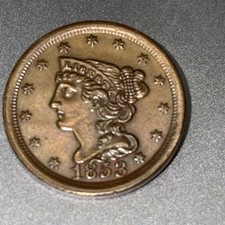
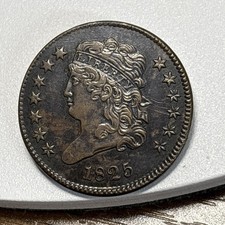

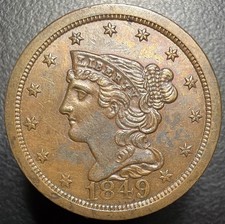


A Guide Book of Half Cents and Large Cents – Hundreds of full-color photographs showcasing designs, varieties, and historic context.

 '
'