
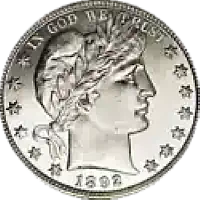
Half Dollar Coins
Introduction to the U.S. Half Dollar
The United States Half Dollar holds a distinctive place in American history, with a lineage stretching back to 1794. For more than two centuries, this denomination has played a vital role in commerce, helping fuel the nation’s economic growth while reflecting the evolution of U.S. coinage. Its long journey showcases changes in design, composition, and minting techniques, each era capturing a different chapter of America’s development.
Evolution of Liberty on the Obverse
The earliest half dollars featured a classical bust of Liberty paired with an eagle on the reverse—an iconic combination that set the tone for future designs. Over time, Liberty’s portrait evolved through numerous artistic interpretations, each reflecting the nation’s shifting ideals and cultural identity. Later, influential Americans such as Benjamin Franklin and John F. Kennedy appeared on the obverse, honoring their lasting contributions to the country and marking new milestones in the coin’s history.
Changing Reverse Designs and National Symbolism
The reverse of the half dollar has undergone its own transformations, ranging from powerful eagles to heraldic shields and other national emblems. These designs often mirrored the political and cultural climate of their time, showcasing the coin’s ability to adapt while remaining a symbol of American pride. Together, the evolving obverse and reverse designs highlight the half dollar’s enduring role as both a practical currency and a reflection of the nation’s identity.
United States Half Dollars
Classic, Walking, Franklin & Kennedy Half Dollars

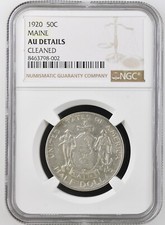


![[#1260865] United States, Half Dollar, Barber Half Dollar, 1912, U.S. Mint, Silv](https://i.ebayimg.com/images/g/cCYAAeSwEvxpvmlQ/s-l225.jpg)


A Buyer's Guide to Barber Silver Coins - The book gives advice and instructions on grading and smart collecting, along with retail prices in up to 12 grades (including Proofs)
 '
'