
Investing in Rare Coins: A Guide for Serious Collectors and Investors
Market dynamics, investment categories, grading infrastructure, portfolio construction, and risk management — everything medium to advanced collectors need to approach rare coins as a genuine alternative asset.
Rare coins have quietly outperformed many traditional asset classes over the past decade, attracting growing interest from serious collectors and investment-minded buyers alike. The global coin collecting market reached an estimated $18.1 billion in 2024 and is projected to grow at approximately 8.5% annually through 2034, driven by expanding collector demographics, supply constraints on genuinely rare material, and increasing institutional recognition of numismatics as a legitimate alternative asset.
Global Market 2024
Projected Annual Growth
Suggested Portfolio Allocation
Max Long-Term Capital Gains Rate
This guide is written for medium to advanced collectors and investors who want to understand how rare coins fit into a broader wealth strategy. We cover market dynamics, investment categories, grading infrastructure, portfolio construction, risk management, and the practical realities of buying and selling at a serious level. If you are just starting out, our Coin Collecting Guide and individual category pages are a good place to begin.
Why Rare Coins Attract Serious Investors
Rare coins offer a combination of characteristics that few other asset classes can match. They are tangible, portable, globally recognized, and in the case of genuinely scarce pieces, their supply cannot be increased. Unlike stocks or bonds, a certified key-date coin in MS-65 condition does not dilute when a company issues new shares or when a central bank prints money. The supply is fixed by history.
Independent research has shown that rare coins have delivered strong long-term appreciation, with key-date and condition-rarity pieces significantly outperforming gold bullion over multi-decade periods. This outperformance is not guaranteed and varies substantially by coin type and grade, but it reflects a genuine dynamic: the collector base for numismatic rarities grows over time while the supply of certified high-grade examples remains static or shrinks as coins are damaged, lost, or removed from the market through institutional and estate holdings.
The Core Investment Logic: No one can mint more 1909-S VDB Lincoln Cents or 1893-S Morgan Dollars. As certified populations stabilize and existing high-grade examples move into long-term private and institutional collections, the available market supply of top-quality rarities shrinks over time. Demand grows; supply contracts. That dynamic is permanent.
Rare coins also offer low correlation with traditional financial markets. During periods of equity market volatility, demand for tangible assets with intrinsic historical value tends to hold up well — making numismatics a meaningful diversification tool for portfolios already exposed to stocks, bonds, and real estate.
Key Investment Categories
Key Date U.S. Coins
Key date coins are the foundation of any serious numismatic investment portfolio. These are coins from a specific series where one or more dates were produced in dramatically lower quantities than the rest of the series, creating permanent scarcity. The 1909-S VDB Lincoln Cent is a classic example — struck at the San Francisco Mint in the first year of the Lincoln cent series, produced in limited numbers before the designer's initials were controversially removed. Demand from registry collectors, type collectors, and series completionists all converge on this single date.
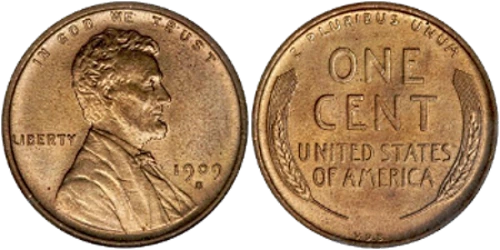
When evaluating key date coins as investments, experienced collectors focus on population reports from PCGS and NGC, which reveal how many examples have been certified in each grade. A coin with only three examples graded above MS-63 has a fundamentally different investment profile than one with three hundred. Condition rarity matters enormously: a common date in gem uncirculated condition can be rarer and more valuable than a key date in lower grades.
| Key Date | Series | Why It Matters | Approx. Value Range |
|---|---|---|---|
| 1909-S VDB Lincoln Cent | Lincoln Cents | Low mintage, first year, designer controversy | $700–$100,000+ |
| 1893-S Morgan Dollar | Morgan Silver Dollars | Lowest mintage in the series (100,000) | $5,000–$550,000+ |
| 1916-D Mercury Dime | Mercury Dimes | First year, lowest mintage (264,000) | $800–$75,000+ |
| 1937-D 3-Legged Buffalo | Buffalo Nickels | Dramatic die polishing error, wide recognition | $500–$30,000+ |
| 1932-D Washington Quarter | Washington Quarters | Lowest mintage of the series (436,800) | $150–$15,000+ |
| 1885 Liberty Head Nickel | Liberty Head Nickels | Lowest mintage year of the series | $500–$25,000+ |
Early U.S. Gold Coins
Early American gold coinage — produced from 1795 through the 1830s — represents one of the most compelling investment categories in U.S. numismatics. These coins combine extreme age, low surviving populations, and strong collector demand driven by their status as foundational American monetary artifacts. The Half Eagle and Eagle denominations from this period regularly achieve six and seven-figure prices at major auction houses.
What makes early gold particularly compelling as an investment is the combination of two permanent scarcity drivers: low original mintages and heavy attrition through melting. The Coinage Act of 1834 reduced the gold content of American coins, triggering a wave of melting of earlier issues as their bullion value exceeded their face value. Survival rates for many early gold issues are estimated at less than one percent of original mintage. Collectors new to this category should focus on certified examples from PCGS or NGC with clear provenance documentation.
Error Coins
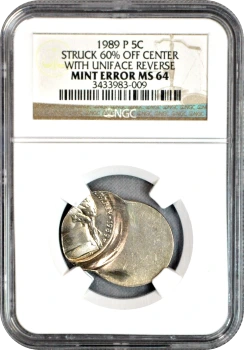
Error coins occupy a unique position in the numismatic market. By definition, no two major errors are identical — a dramatically off-center strike or a double-denomination mule is a one-of-a-kind artifact. Error coin buyers are often motivated by the specific character of the error itself rather than completing a set, creating a collector dynamic that differs from traditional series collecting.
The most investment-worthy error coins combine dramatic visual impact with proper certification. A 50% off-center strike on a common date Jefferson Nickel may be interesting but won't command serious money. A dramatic error on a scarce date, or a mule combining dies from two different denominations, represents a genuinely rare artifact. Our Mint Error Coins guide covers the major categories and what to look for when evaluating them.
World Coins and International Diversification
Sophisticated numismatic portfolios increasingly incorporate world coins to achieve geographic and historical diversification. Rare European gold, Commonwealth issues, ancient coins, and historically significant pieces from emerging markets each offer distinct characteristics. The world coin market is generally less efficient than the U.S. market, meaning knowledgeable buyers can sometimes identify undervalued material that has not yet attracted broad collector attention.
Ancient coins deserve special mention. Ancient Greek, Roman, and Byzantine coins have maintained collector demand for over five centuries — longer than any other collecting category. Their survival through millennia adds a dimension of historical resonance that modern issues cannot replicate, and market liquidity through specialist dealers and dedicated auction houses remains strong.
Understanding Professional Grading
Professional grading by PCGS (Professional Coin Grading Service) and NGC (Numismatic Guaranty Company) is the foundation of modern numismatic investing. Certified coins trade in a more transparent and liquid market than raw coins because buyers can rely on independent authentication and condition assessment rather than their own judgment or the seller's representations.
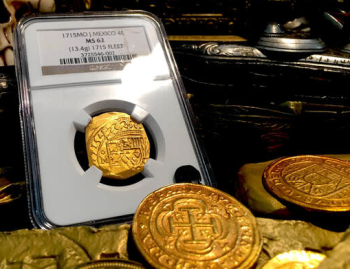
The Sheldon scale runs from 1 to 70, with circulated grades from AG-3 through AU-58 and mint state grades from MS-60 through MS-70. For investment purposes, the most important grades are typically MS-63 through MS-66 for 20th-century issues and AU-50 through MS-63 for early U.S. coins where gem examples are genuinely rare.
Population Reports Are Everything: A coin with a population of three at MS-65 and none higher is in a fundamentally different market position than one with a population of 300 at the same grade. Understanding where a specific coin falls on the population curve — not just its grade — is the single most important factor in assessing its investment potential. Both PCGS and NGC publish population reports online at no charge.
Within a grade, factors like eye appeal, strike quality, luster, and surface preservation create meaningful value differences that the market rewards. Two coins both graded MS-64 can differ substantially in appearance and therefore in value. Developing the eye to recognize these differences takes time and exposure to many examples — which is why building relationships with knowledgeable dealers is so valuable.
Building a Numismatic Investment Portfolio
Allocation and Diversification
Most financial advisors familiar with alternative assets suggest that collectibles, including rare coins, represent no more than 5–15% of a total investment portfolio, depending on an investor's risk tolerance, liquidity needs, and personal expertise. Within that allocation, diversification across coin types, time periods, and denominations reduces concentration risk.
Historical depth, foundational American monetary artifacts, low surviving populations. Best for long-term holds.
Documented permanent scarcity, strong registry and completionist demand. Population data supports pricing.
Geographic diversification, less efficient market creates opportunity. Ancient coins have 500+ years of collector demand.
Common date coins in extraordinary grade. Population data shows true rarity; often overlooked by casual collectors.
Liquidity Planning and Exit Strategies
Rare coins are not liquid in the way that stocks or ETFs are liquid. Selling a significant numismatic holding requires consigning to a major auction house, selling through established dealers, or finding private buyers — all of which take time. Major auction houses like Stack's Bowers, Heritage Auctions, and Legend Rare Coin Auctions hold scheduled sales throughout the year, and consignment deadlines typically require coins weeks or months in advance.
High-value key dates in top grades often do better at auction where competitive bidding can establish record prices, while more moderately priced material may sell more efficiently through dealer channels. Plan entry and exit strategies before acquiring significant pieces.
Acquisition Channels
Serious numismatic investors access material through several channels. Major auction houses provide access to significant collections and estate material that rarely appears through conventional dealers. Established dealer relationships provide priority notification when specific pieces become available. Coin shows — particularly the annual FUN Show in January, the ANA National Money Show, and the Long Beach Expo — concentrate dealers, collectors, and significant inventory in one place. Online platforms including eBay and Great Collections have expanded market access, though high-value acquisitions carry greater authentication risk outside of certified holders from established sellers.
Browse PCGS and NGC certified rare coins from verified sellers — key dates, early gold, and error coins.
Shop Certified Key Date Coins on eBay
Shop Early U.S. Gold Coins on eBay
Risk Factors Every Investor Should Understand
Counterfeiting and Authentication
Counterfeiting is a serious concern in numismatics, particularly for high-value issues. Sophisticated counterfeits of key-date Morgan Dollars, Walking Liberty Half Dollars, and early gold coins have become increasingly convincing. The surest protection is purchasing only certified coins from PCGS or NGC in intact, unaltered holders. Raw coins — even those sold by reputable dealers — carry authentication risk that certified coins do not. Beyond outright counterfeits, common alterations include adding or removing mint marks to create rarer dates and artificially toning coins to simulate age or hide damage.
Market Volatility and Overpriced Material
Not all rare coins appreciate. Material heavily promoted during market peaks, coins that benefit primarily from registry set competition rather than broad collector demand, and series that fall out of collector fashion can underperform or decline in value. Records are set when two determined bidders compete — the next sale of the same coin may bring substantially less if that competitive dynamic is absent. The best protection against overpaying is thorough research into historical auction records, population data, and whether collector demand for a series is growing or contracting.
Storage and Insurance
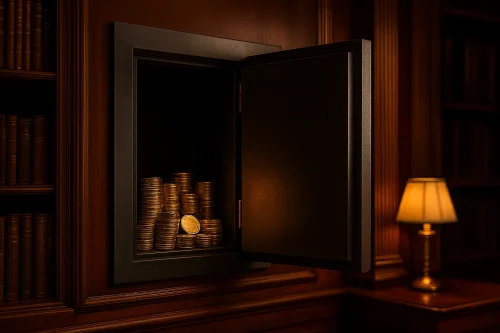
High-value numismatic collections require professional storage and comprehensive insurance. Bank safety deposit boxes provide security but limit accessibility and typically carry no bank insurance coverage. Purpose-built home safes rated for fire and theft offer accessibility but require adequate insurance riders. Professional vault services offered by some dealers and storage companies provide the highest level of security for the most significant holdings.
Insurance for rare coins requires a specialized policy or rider that covers numismatic value rather than just replacement cost. Standard homeowner's policies typically cap coverage for coins and collectibles at very low levels. Specialized insurers including Collectibles Insurance Services offer policies designed specifically for coin collections with appropriate coverage limits.
Tax Considerations
IRS Collectibles Classification: Rare coins are classified as collectibles by the IRS and are subject to a maximum long-term capital gains rate of 28% for high-income taxpayers — higher than the 20% maximum that applies to most investment assets. Short-term gains are taxed as ordinary income. Estate planning for significant collections requires professional guidance. This guide does not constitute tax advice — consult a qualified tax professional for your specific situation.
Market Outlook
Several structural factors support continued long-term strength in the rare coin market. The collector base is growing as younger buyers enter the market, attracted by tangible asset ownership and the inflation-hedging characteristics of physical precious metals and numismatic premiums. Digital platforms have lowered the barrier to entry for new collectors, expanding the potential buyer pool for all categories.
Blockchain and digital provenance tracking are beginning to enter the numismatic space, potentially adding transparency to ownership histories and making it easier to document a coin's chain of custody. While still early, these developments could further institutionalize the market and improve liquidity for significant pieces over time. The fundamental supply-demand dynamic — fixed supply, growing demand — remains the strongest structural argument for rare coin investment across all market cycles.
Getting Started and Building Expertise
The most important investment any numismatist can make is in their own knowledge. Before committing significant capital to rare coins, spend time studying auction records, reading population reports, attending coin shows, and building relationships with reputable dealers. The American Numismatic Association (ANA) offers educational resources, grading courses, and a network of knowledgeable collectors and dealers that is invaluable for serious investors.
Rare coin investing rewards patience, expertise, and disciplined acquisition. The collectors who build the most valuable portfolios are those who buy the best quality they can afford in categories they understand well, hold for the long term, and resist the temptation to chase trends or pay record prices for heavily promoted material. Use our Coin Grading Simulator to develop your eye for condition assessment, and explore individual series in depth before committing capital.
Frequently Asked Questions
Are rare coins a good investment in 2026?
What is the minimum budget needed to invest seriously in rare coins?
Should I buy PCGS or NGC certified coins only?
How do I sell rare coins when I'm ready to exit?
What's the difference between numismatic value and bullion value?
Research Resources
- PCGS Rare Coin Market Report — up-to-date market analytics, population data, and coin value guides
- NGC Price Guide — certified coin values and grading standards by series and date
- Greysheet Market Analysis — pricing trends and condition rarity reporting for dealers and investors
- Numismatic News — industry publication covering market trends, auction results, and collector news
Investment Disclaimer: Rare coin investments involve substantial risks and are not suitable for all investors. Past performance does not guarantee future results. Market values can fluctuate significantly, and liquidity may be limited for certain pieces. Investors should conduct thorough due diligence and consult qualified financial and tax professionals before making numismatic investment decisions. This guide is for educational purposes only and does not constitute investment or financial advice.
More at FindRareCoins.com: Top 10 Rarest Coins · Mint Error Coins · Gold Rush Coins · Commemorative Coin History · Precious Metals Guide
 '
'