
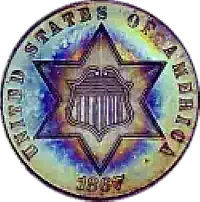
Three Cent Nickel Coins
The three cent nickel coin, minted from 1865 to 1889, holds a unique place in American numismatics. For example, it reflects a period of economic change and innovation, captivating collectors today.
Origins of the Three Cent Nickel
A Response to Coin Shortages
During the Civil War, coin hoarding disrupted commerce. Therefore, the U.S. Mint introduced the three cent nickel in 1865. This coin eased transactions, especially for postage stamps.
Design by James B. Longacre
Chief Engraver James B. Longacre designed the coin. His work featured Lady Liberty on the obverse and a Roman numeral III on the reverse. This simple design ensured easy recognition.
Evolution and Production
Wartime and Post-War Impact
The three cent nickel, made of copper and nickel, replaced the silver three cent piece. Its durability suited everyday use. Moreover, it helped stabilize the economy after the war.
Decline in Usage
By the 1880s, changing postage rates reduced the coin’s need. As a result, production ended in 1889. Only 36 million were minted, making them scarce today.
Collector Appeal and Rarity
Key Dates and Varieties
Collectors prize certain years, like 1883 and 1885, due to low mintages. For instance, the 1885 issue had only 1,000 business strikes. Such rarity drives high demand.
Condition and Grading
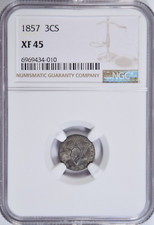
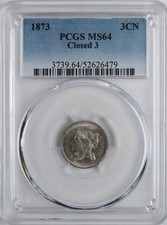
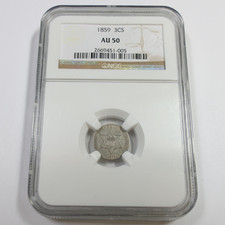
Coins in high grades, certified by NGC or PCGS, fetch premium prices. Well-preserved pieces show sharp details, especially on Liberty’s coronet. Thus, certification boosts value.
Preserving Three Cent Nickels
Storage and Care
Collectors use acid-free holders to protect these coins. Low humidity prevents corrosion. Consequently, proper care maintains their condition for future enjoyment.
Historical Significance
These coins reflect America’s post-Civil War recovery. Their short minting period and unique role make them fascinating. Collectors value them as relics of a transformative era.
Three cent nickel coins offer a glimpse into 19th-century America. From their role in commerce to their rarity today, they captivate enthusiasts. Therefore, these coins remain cherished artifacts, connecting us to a pivotal chapter in numismatic history.








 '
'