

Two Cent Coins
Two Cent Coins, introduced in 1864, hold a unique place in U.S. numismatic history. For example, they debuted during the Civil War, featuring the iconic motto “In God We Trust.”
Origins of the Two Cent Coin
Response to Civil War Needs
The Civil War caused coin shortages as people hoarded metal currency. Therefore, Congress authorized the two cent coin to ease small transactions in 1864.
Purpose and Impact
The coin, made of 95% copper and 5% tin and zinc, filled gaps in commerce. Its introduction stabilized transactions during economic turmoil.
Design and Features
James B. Longacre’s Design
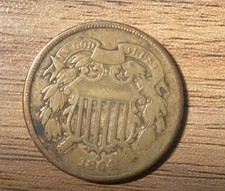
Chief Engraver James B. Longacre created the coin’s design. He placed a shield with arrows and a laurel wreath on the obverse, symbolizing unity and strength.
In God We Trust Motto
The reverse featured “In God We Trust,” a first for U.S. coins. Moreover, this motto reflected wartime sentiment and became a standard on American currency.
Production and Decline
Minting and Circulation
Minted from 1864 to 1873, the two cent coin saw initial success. However, post-war recovery reduced its need. Production dropped sharply after 1870.
End of the Coin
By 1873, the Mint discontinued the coin. Only about 45 million were struck. As a result, surviving examples are now collector treasures.
Collector Appeal
Rarity and Value
Two Cent Coins attract collectors due to their short minting period. Key dates, like 1872 and 1873 proofs, command high prices due to low mintages.
Condition and Grading
NGC and PCGS certifications verify authenticity and condition. Well-preserved coins, especially with sharp shield details, fetch premium prices at auctions.
Preserving Two Cent Coins
Storage Tips
Collectors use acid-free holders to protect these coins. Low humidity prevents corrosion. Thus, proper care ensures their value and beauty endure.
Historical Significance
These coins reflect Civil War-era challenges and faith. Their brief run fascinates collectors. For instance, they capture a pivotal moment in U.S. history.
Two Cent Coins tell a story of wartime innovation and legacy. Their design and rarity captivate numismatists. Therefore, these coins remain cherished artifacts, linking us to America’s past.






 '
'