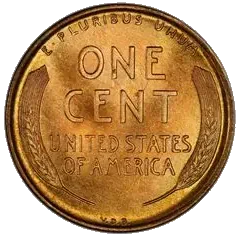
Wheat Penny Value Chart
Lincoln Cents 1909–1958 • By Year • By Mint Mark • Current Prices
What Is Your Wheat Penny Worth?
Lincoln Wheat Cent Values Updated for 2026
Wheat pennies — officially the Lincoln Wheat Cent — were minted from 1909 to 1958 and remain among the most collected coins in American numismatics. Most circulated wheat pennies are worth between 3 cents and $1, but key dates, rare mint marks, and notable error varieties can command hundreds or even thousands of dollars. This chart covers every year and mint mark combination, from the common 1940s Philadelphia issues to the legendary 1909-S VDB.
Values shown are approximate retail prices for coins in Good (G-4) through Extremely Fine (EF-40) condition. Uncirculated and mint-state examples command significant premiums — especially on key dates. Always consult a professional numismatist or current auction results for high-value pieces.
Key Date Wheat Pennies
The Most Valuable Lincoln Cents to Look For
1909-S VDB
484,000 minted. The holy grail of wheat pennies. VDB initials visible on reverse. Worth $700–$2,000+ in circulated grades.
1914-D
1.19 million minted. One of the rarest regular-issue wheat cents. Worth $150–$2,500+ depending on grade.
1922 Plain
No mint mark visible — a die-fill error on Denver cents. Worth $500–$3,000+ in circulated grades.
1931-S
866,000 minted — Depression-era low mintage. Worth $60–$150 in circulated condition.
1955 Doubled Die
Famous error with strong doubling visible to the naked eye. Worth $1,000–$3,500+ in any grade.
1943 Steel Cent
Wartime zinc-coated steel. Common but collectible. Worth $0.15–$5 steel; 1943-S copper is worth $100,000+.
Wheat Penny Value Chart by Year
1909–1958 • All Mint Marks • Circulated Grades
Use the filters below to jump to a specific era. Values shown are approximate retail for Good (G-4) to Extremely Fine (EF-40) circulated coins. MS (uncirculated) values are noted separately for key dates.
| Year & Mint | Mintage | G–VG | F–EF | MS-63 | Notes |
|---|
1943 Steel Pennies
Wartime Cents • Steel vs. Copper • What to Look For
In 1943, the U.S. Mint struck pennies from zinc-coated steel instead of copper to conserve metal for the war effort. These silvery-colored cents are among the most recognizable wheat pennies — and the subject of one of the greatest coin legends in American numismatics. A small number of 1943 cents were accidentally struck on leftover copper planchets, creating the famous 1943 copper penny, one of which sold at auction for over $1 million.
Standard 1943 steel cents in circulated condition are worth $0.10–$1.00. The 1943-S (San Francisco) is slightly scarcer and worth a modest premium. To test if your 1943 cent is steel, hold a magnet near it — steel cents will stick. Copper cents won't. If your 1943 cent doesn't stick to a magnet, have it authenticated immediately by PCGS or NGC.
Where to Sell Wheat Pennies
Getting the Best Price for Your Lincoln Cents
For common circulated wheat pennies (1934–1958 Philadelphia issues), coin dealers typically pay face value to a few cents each. Selling in bulk lots on eBay often yields better returns from collector buyers. For key dates and higher-grade material, certified coins (PCGS or NGC slabs) consistently command the strongest prices at auction houses like Heritage Auctions and Stack's Bowers, or through eBay with full authentication documentation.
Before selling any wheat penny collection, sort your coins by year and mint mark, check each against this value chart, and pull out any potential key dates for closer examination. A 1914-D or 1909-S VDB hiding in a bulk lot represents a significant find.
Interested in precious metals as part of your investment strategy?
Explore how gold and silver coins intersect with cryptocurrency and alternative assets at our sister site.
Shop Wheat Pennies on eBay
Browse certified key dates, bulk lots, and error varieties from trusted sellers.
🛍️ Shop Wheat Pennies on eBay 📚 Wheat Penny References on AmazonFindRareCoins.com participates in the eBay Partner Network and Amazon Associates program. Purchases through links on this page may earn us a commission at no additional cost to you.
Frequently Asked Questions
How do I know if my wheat penny is valuable?
Start by checking the year and mint mark. Look just below the date on the obverse — a small D means Denver, S means San Francisco, and no letter means Philadelphia. The most valuable issues are 1909-S VDB, 1914-D, 1922 Plain, 1931-S, and 1955 Doubled Die. For 1943 cents, test with a magnet — if it doesn't stick, you may have a rare copper example worth authenticating. Grade also matters enormously: a common date in MS-65 can be worth $50+, while the same coin in Good condition is worth a few cents.
Are wheat pennies from the 1940s and 1950s worth anything?
Most wheat pennies from 1934–1958 in circulated condition are worth 3–10 cents each — slightly above face value but not dramatically so. The exception is any coin in uncirculated (mint state) condition, which can be worth $1–$10 for common dates. The 1955 Doubled Die and 1944 steel cent are the major errors from this era. If you have a large collection of mixed wheat pennies, sorting them and selling in bulk lots on eBay typically yields more than selling to a local dealer.
What does VDB mean on a wheat penny?
VDB stands for Victor David Brenner, the designer of the Lincoln cent. His initials were placed prominently on the reverse of the first 1909 Lincoln cents. Public controversy led the Mint to remove them after only a short production run — creating the scarce 1909-S VDB. In 1918, Brenner's initials were quietly restored in tiny letters on Lincoln's shoulder on the obverse, where they remain on Lincoln cents today.
How can I tell if my 1943 penny is steel or copper?
The simplest test is a magnet. Steel cents will be attracted to a magnet; copper cents won't. You can also weigh the coin — a steel cent weighs approximately 2.70 grams, while a copper cent weighs 3.11 grams. Be aware that some people have plated copper cents to look like steel (or plated steel to look like copper), which is why professional authentication by PCGS or NGC is essential before assuming a 1943 copper cent is genuine. Authentic 1943 copper pennies are worth $100,000 or more.
Where is the best place to sell wheat pennies?
For key dates and high-grade coins, certified examples sell best through major auction houses (Heritage, Stack's Bowers) or directly on eBay with full PCGS/NGC attribution. For common circulated wheat pennies, eBay bulk lots typically return 3–10 cents per coin, which beats most local dealer offers. Local coin shows are also good venues for selling directly to collectors without platform fees. Avoid pawn shops, which rarely pay fair numismatic value for coins.
 '
'