
Coin Collections
Complete Sets • Type Sets • Error Coins • Investment Collections
The Art and Science of Building a Coin Collection
History, Craftsmanship & the Thrill of the Hunt
Coin collecting is one of the oldest hobbies in recorded history — kings, scholars, and merchants have gathered coins since antiquity, drawn by the same qualities that attract collectors today: the tangible weight of history in the hand, the artistry of designs struck in precious metal, and the satisfaction of assembling something more meaningful than the sum of its parts. Every coin collection is unique, shaped by the collector's interests, budget, and the particular story they want to tell through their coins.
What sets coin collecting apart from most other hobbies is its extraordinary range. A beginning collector can start for $20 — pulling Lincoln cents from circulation and filling a Dansco album year by year. A seasoned numismatist can spend decades pursuing a complete set of Carson City Morgan Dollars in gem uncirculated condition, or assembling an ancient coin collection that spans the Greek, Roman, and Byzantine worlds. Both pursuits are equally valid, equally rewarding, and connected by the same underlying passion for numismatics that has captivated collectors across centuries.
Choosing Your Collecting Focus
Complete Sets, Type Sets, Error Coins & More
The first decision every collector faces is focus. The most common approach for beginners is the complete date-and-mintmark set — assembling every issue of a particular series, such as Roosevelt Dimes or Washington Quarters, from every year and mint. This strategy provides clear, achievable goals, measurable progress, and an instantly satisfying visual result when album pages fill in. It also teaches collectors the full landscape of a series — which dates are common, which are scarce, and which key dates require patience, skill, and budget to acquire.
Type collecting takes a different approach: rather than completing a series by date and mint, the type collector seeks one example of each major design type in U.S. coinage — a Bust Dollar, a Seated Liberty Half, a Barber Quarter, a Walking Liberty Half, and so on. This strategy gives collectors broad historical exposure across two centuries of American numismatic art at a fraction of the cost of completing any single series. For collectors drawn to world coins or ancient coinage, type collecting across civilizations and eras is essentially the only practical approach given the near-infinite variety available.
Collection Approaches at a Glance
Strategies Matched to Budget & Interest
| Collecting Approach | Best For | Budget Range | Time Horizon |
|---|---|---|---|
| Complete Date/Mint Set | Focused collectors, album fillers | $20 – $50,000+ | Months to decades |
| Type Set | Broad history, design appreciation | $500 – $25,000+ | 1–10 years |
| Error & Variety Coins | Detail-oriented, treasure hunters | $10 – $100,000+ | Ongoing |
| Precious Metal / Bullion | Investors, metal accumulators | $30/oz silver – $2,000+/oz gold | Long-term hold |
| Key Date Specialist | Advanced collectors, investment focus | $500 – $1,000,000+ | Long-term |
| Topical / Thematic | History buffs, subject enthusiasts | $50 – $10,000+ | Flexible |
| World / Ancient Coins | Global history lovers | $10 – unlimited | Lifelong |
| Proof & Special Strike Sets | Quality collectors, modern issues | $50 – $5,000+ | Annual additions |
Top Coin Collection Categories
What Collectors Are Building Right Now
Complete Year Sets
Every date and mintmark of a series. Morgan Dollars, Roosevelt Dimes, Lincoln Cents — clear goals, measurable progress.
Type Sets
One example of each major design. A curated survey of American or world numismatic art across centuries.
Error & Variety Coins
Doubled dies, off-centers, wrong planchets — the most exciting and unpredictable area of collecting.
Precious Metal Sets
Silver and gold bullion coins assembled as a collection — beauty, history, and intrinsic value in one.
Key Date Collections
The rarest and most valuable coins in a series. High-stakes, high-reward collecting for advanced numismatists.
World & Ancient Coins
Greek tetradrachms to modern sovereigns — a collection spanning civilizations, centuries, and continents.
Coin Collection Explorer
Browse by Type • Click Any Category for Details & eBay Listings




Essential Reading for Coin Collectors
The Reference That Pays for Itself
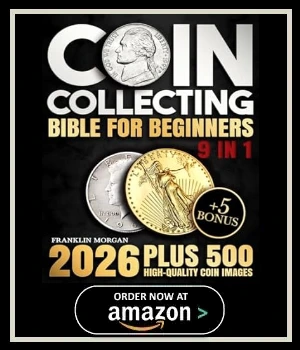
Coin Collecting Bible for Beginners
A proven, step-by-step system to build a valuable collection, avoid costly mistakes, and finally understand what your coins are really worth. Covers grading, authentication, storage, buying strategies, and how to identify the coins most worth pursuing.
View on Amazon →Storage, Preservation & Protecting Your Collection
The Tools and Techniques Every Collector Needs
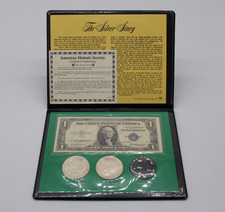
A coin collection is only as valuable as its preservation. Improper storage is one of the most common — and most preventable — ways collectors damage their coins and lose value. The enemies of coins are moisture, reactive materials (especially PVC), physical contact, and airborne sulfur compounds that cause toning and corrosion in silver. Certified coins in PCGS or NGC slabs are the best-protected, sealed in inert plastic holders that block nearly all environmental damage. For raw coins, airtite capsules, Mylar flips, and archival-quality cardboard 2x2 holders are the safest options.
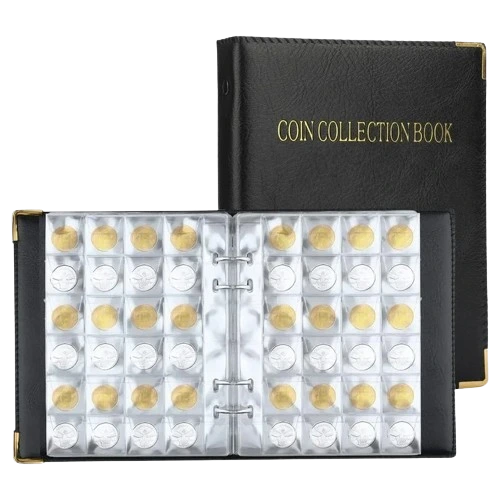
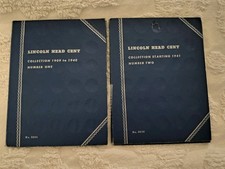
Albums like those made by Dansco and Whitman are excellent for circulated coins and provide the visual satisfaction of a complete set at a glance — but direct contact with album pages is not ideal for high-grade coins, which are better stored individually in holders. A home safe rated for both fire and theft provides adequate protection for most collections; for high-value holdings, a bank safe deposit box or professional vault storage adds another layer of security. Document your collection with photos, purchase receipts, and written descriptions — both for insurance purposes and to add provenance that enhances resale value.
Building a Collection on Any Budget
From Pocket Change to Investment-Grade Rarities
One of coin collecting's greatest strengths is its accessibility at every economic level. The most cost-effective entry point is circulation hunting — going through rolls of cents, nickels, dimes, and quarters from the bank looking for older dates, mint marks, and errors. It costs nothing beyond face value, teaches coin identification skills faster than any book, and occasionally turns up genuine finds. The 1982 no-mintmark Roosevelt Dime and various doubled die Lincoln cents were all circulation finds by alert collectors who knew what to look for.
As budgets grow, the strategy shifts from finding to buying — and here, condition discipline becomes the most important habit a collector can develop. A common-date coin in gem uncirculated condition is often a better purchase than a key-date coin in poor condition: it photographs well, grades well, and holds its value. The collector's maxim "buy the coin, not the holder" reminds us that a coin's eye appeal — its strike, luster, and surface quality — matters more than the label on its slab. Build slowly, research thoroughly, and let knowledge guide every purchase.
Shop Coin Collections on eBay
Browse complete sets, type coins, certified key dates, proof sets, and curated collections from dealers and collectors nationwide.
🛍️ Shop Coin Collections on eBay 📚 Albums & Supplies on AmazonFindRareCoins.com participates in the eBay Partner Network and Amazon Associates program. Purchases made through links on this page may earn us a commission at no additional cost to you.
Frequently Asked Questions
How do I start a coin collection?
The best starting point is to collect what genuinely interests you — a series whose history, design, or challenge appeals to you personally. For most beginners, Lincoln cents or Roosevelt Dimes make ideal first series: both are affordable, widely available, and completable within a reasonable budget. Get a Whitman or Dansco album for your chosen series, start filling it with coins from circulation and inexpensive dealer purchases, and invest in a quality loupe (10x magnifier) and a current copy of the Red Book (A Guide Book of United States Coins). The Red Book gives mintage figures, values, and key date guidance for every U.S. series — an essential reference for every collector at every level.
What makes a coin collection valuable?
Collection value comes from several factors working together: the rarity and condition of individual coins, the completeness of the set (a complete date-and-mint Morgan Dollar set in high grade is worth far more than the sum of individual coin values), the quality of certification and documentation, and the desirability of the series among active collectors. A well-assembled collection in a popular series like Morgan Dollars or Walking Liberty Half Dollars will always find eager buyers. Condition discipline — consistently buying higher-grade examples — is the single most important factor a collector controls in building long-term value.
Should I clean my coins before adding them to a collection?
Never clean your coins. This is perhaps the most important rule in numismatics. Cleaning — even gentle cleaning — permanently damages a coin's surface luster and leaves hairline scratches visible under magnification. A cleaned coin is immediately recognizable to experienced collectors and graders, and its value is dramatically reduced compared to an uncleaned example in the same apparent condition. PCGS and NGC will note cleaning on their holders and assign a "Details" grade rather than a numeric grade, which significantly reduces marketability. Coins should be stored and preserved in their natural state. If you acquire a dirty coin, consult a professional numismatist before attempting any treatment.
What is the difference between a proof coin and a regular coin?
Proof coins are specially made for collectors using polished dies and polished planchets, struck multiple times at slower speeds to produce coins with mirror-like fields (backgrounds) and frosted, highly detailed devices (designs). They are never intended for circulation. Regular business-strike coins are struck once at high speed for use in commerce. Proof coins command premiums over business strikes and are graded on the PR/PF scale (PR70 being perfect). The U.S. Mint has sold annual proof sets directly to collectors since 1936. Proof coins with deep mirror fields and heavy frosting receive the "Deep Cameo" or "Ultra Cameo" designation, which adds further premium to already valuable specimens.
What coin albums and supplies do I need?
For a beginning collection, a Whitman or Dansco album for your chosen series is the most satisfying storage option — it displays your collection at a glance and motivates progress. For individual coins, airtite capsules offer the best protection without PVC risk; Mylar flips work well for coins you'll handle occasionally. Avoid cheap PVC flips for long-term storage — PVC off-gasses over time and leaves a green residue that permanently damages silver coins. A quality 10x loupe is essential for examining coins closely. Cotton gloves prevent fingerprints on high-grade coins. A digital scale and calipers help identify possible errors and verify coin specifications. As your collection grows, a fireproof safe adds essential security.
Are coin collections a good investment?
Quality coin collections assembled with knowledge and patience have historically performed well over the long term — particularly key-date coins in certified high grades, which benefit from both numismatic demand and precious metal floors where applicable. However, coin collecting should be approached primarily as a passion with investment potential, rather than as a pure investment strategy. Liquidity is lower than stocks or ETFs; bid-ask spreads at dealers can be significant; and short-term values fluctuate with collector demand and economic conditions. The collectors who do best financially are those who know their series thoroughly, buy at fair prices, focus on quality over quantity, and hold for the long term. Consult a qualified financial advisor before making significant numismatic purchases with investment intent.
 '
'