
Exonumia: Collecting Tokens, Medals and More
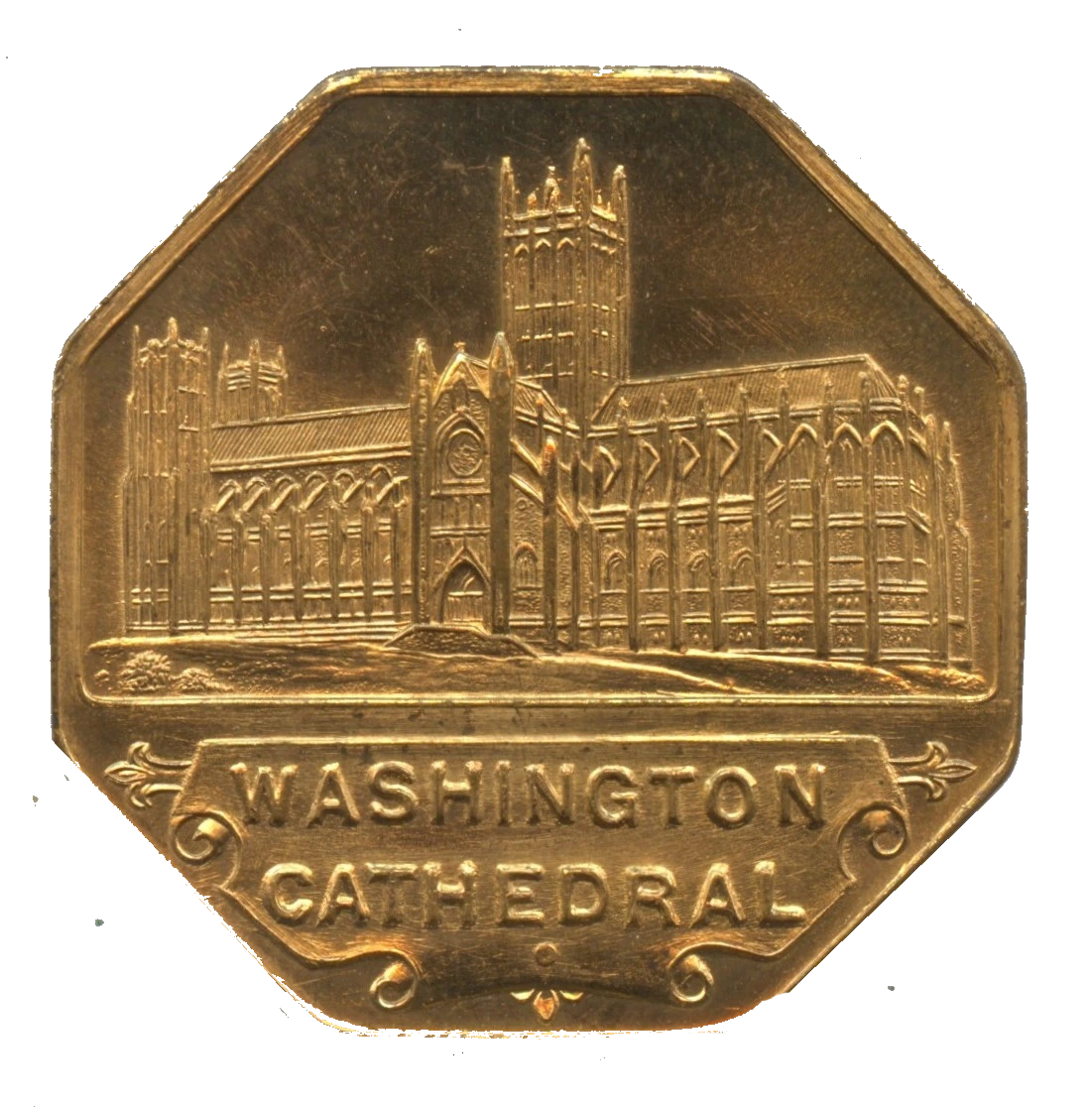
Understanding Exonumia and Its Historical Roots
Exonumia encompasses coin‑like objects that were never legal tender yet played meaningful roles across cultures. Ancient civilizations used early forms such as Egyptian proto‑money—metal tokens shaped like tools or animals—to support local trade and symbolize trust within markets. Over time, societies adopted tokens, medals, and other objects to fill gaps when official coinage was scarce or to commemorate events, festivals, and achievements. These items evolved into cultural artifacts that reveal economic practices, artistic expression, and community identity.
Exonumia’s Cultural Value and Modern Relevance
As exonumia expanded, tokens and medals became both functional tools and symbolic pieces valued for their design and meaning. Today, the category includes transit tokens, arcade pieces, commemorative medals, and countless collectibles that appeal to enthusiasts for their history and craftsmanship. Modern collectors prize exonumia for its unique blend of artistry, storytelling, and accessibility, keeping these objects relevant in both cultural and practical contexts.
Collecting Exonumia Today
Collectors are drawn to exonumia for its diversity, affordability, and historical depth. Pieces tied to major events, local businesses, or unique artistic styles often become especially desirable. Whether someone is exploring early trade tokens, Civil War store cards, or modern commemoratives, exonumia offers an engaging way to connect with history through objects that were made to be used, held, and remembered.
Exonumia
Tokens, Medals, Elongated Coins & Numismatic Curiosities



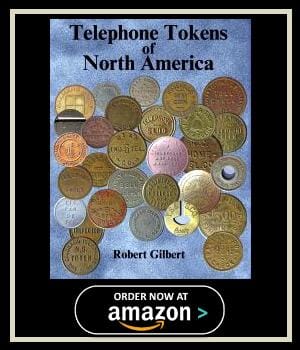
Telephone Tokens of North America - The listing of each token includes a full description of the obverse and reverse along with diameter, thickness, weight, shape, die orientation, border treatment and edge treatment.
 '
'