
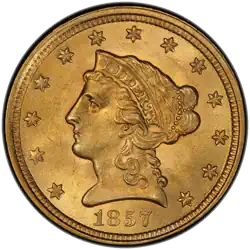
US Gold Quarter Eagle Coins
Origins of the Quarter Eagle
The $2.50 Gold Quarter Eagle debuted in 1796 as one of the United States’ earliest small‑denomination gold coins, created to support everyday commerce in a young and rapidly expanding economy. Designed by Chief Engraver Robert Scot, the coin filled a crucial role in trade by offering a reliable, compact form of gold currency. Its introduction marked an important milestone in early American monetary development and established the foundation for a long‑running series.
Design Evolution and Artistic Appeal
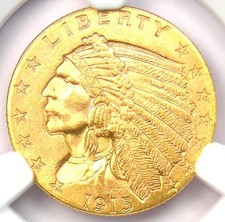
Quarter Eagles underwent several major design changes, beginning with early Liberty‑cap motifs and later transitioning to the celebrated Indian Head design. These evolving portraits of Liberty, paired with the enduring eagle reverse, reflected shifting artistic styles and national identity. The combination of historical symbolism and refined engraving has made the series especially appealing to collectors who value both beauty and craftsmanship.
Rarity and Numismatic Value
Produced until 1929, Quarter Eagles saw widely varying mintages, with certain years—such as the scarce 1808 issue—surviving in very limited numbers. These low‑mintage dates, along with the series’ long history and diverse designs, contribute to strong collector demand and high market values. Today, Quarter Eagles are prized as numismatic gems that capture the artistry, rarity, and economic story of early American gold coinage.
United States Gold Coins
Certified Gold Coins & Investment Grade

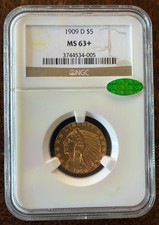

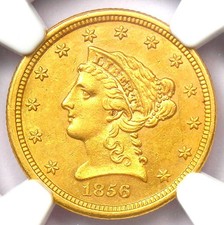


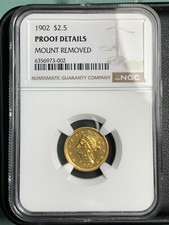


Collecting and Investing Strategies for United States Gold Coins This book covers regular-issue gold series from 1795 through 1933 and informs the reader on a number of investing strategies, including collecting by type, variety, or rarer issues.
 '
'