
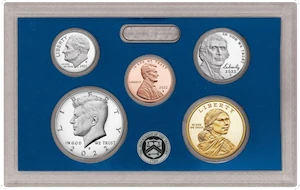
Proof Coins
Early Production of Proof Coins
At the outset, the production of proof coins was sporadic, with only select denominations and years receiving this special treatment. However, as the 19th century progressed, proof coins became increasingly important in numismatic circles. Their appeal lay in their impeccable quality and craftsmanship, which made them highly sought-after among collectors. During this period, proof coins were not intended for general circulation; instead, they were meticulously handcrafted by skilled craftsmen who ensured that each coin had sharp details and a mirror-like surface. The striking process was repeated multiple times to achieve this level of perfection.
Distinctive Finishes and Historical Changes
Proof coins also featured unique finishes that set them apart from their circulation counterparts. These finishes included the “brilliant proof” and “matte proof” varieties, each contributing to the coin’s distinct appearance. In 1866, a significant change occurred when the U.S. Mint introduced the “With Motto” proof set, incorporating the motto “In God We Trust” on the reverse of the coins. This motto has since become a standard feature on most U.S. coins, reflecting the nation’s values and beliefs.
Proof Coins
Collector Quality Mirror Finish Coins


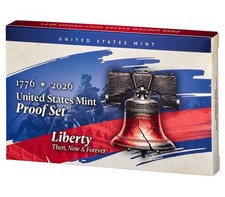
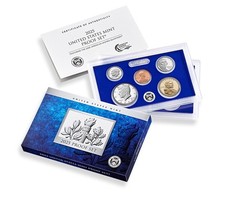


A Guide Book of the United States Mint - Hundreds of full-color photos and archival images showcase coins, people, and places that shaped the Mint’s legacy.

 '
'