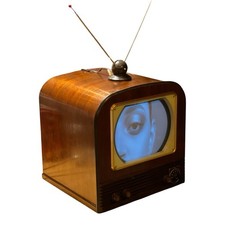
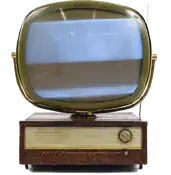
classic vintage television set from 1950s

Vintage Television Sets

The Evolution of Television Technology

Television technology has transformed dramatically since its early 20th century beginnings. Initially, TVs were massive pieces of furniture that dominated living rooms. Over time, they evolved into the sleek, high-tech devices we know today.

Reliving Classic TV Memories

Many people fondly remember watching iconic shows on these vintage sets. For example, programs like “Queen for a Day” and “What’s My Line” became cultural touchstones. These classic televisions weren’t just appliances – they were family gathering spots.

Why Vintage TVs Captivate Collectors

Several factors make vintage television sets highly collectible:

  • Nostalgic appeal: They evoke childhood memories
  • Unique design: Many feature beautiful wooden cabinets
  • Historical significance: Represent early broadcast technology

The Golden Age of Television Design

During television’s early decades, manufacturers focused equally on function and form. Consequently, many models featured exquisite woodwork and stylish details. Today, these design elements make them prized collector’s items.

Starting Your Vintage TV Collection

If you’re interested in collecting, consider these tips:

  1. First, research different eras and models
  2. Next, inspect for original components
  3. Finally, learn about restoration techniques

Additionally, joining collector communities can provide valuable insights and resources.

The Evolution of Television Sets in the 1950s

The television’s journey began with John Logie Baird, a Scottish inventor who is credited with the invention of the first television in 1925. Baird’s system used a mechanical approach that involved a rotating disc to scan images onto a screen. This early television was a far cry from the sleek, high-definition screens we have today, but it was a revolutionary concept at the time. It marked the beginning of a technological transformation that would change the way people consumed information and entertainment.

In the following years, inventors like Vladimir Zworykin made significant advancements in television technology. Zworykin developed the cathode ray tube (CRT), which would become the standard display technology for televisions for many years. The CRT was a crucial component in the television sets of the mid-20th century, responsible for creating the images that captivated viewers.

The year 1939 marked a significant milestone in the history of television. RCA (Radio Corporation of America) demonstrated the first electronic television at the New York World’s Fair. This event showcased the potential of television as a medium for entertainment and information dissemination. However, the road to widespread television adoption was not without its obstacles.

World War II brought a halt to television production as resources were redirected to support the war effort. After the war, television experienced a rapid resurgence and became a popular form of entertainment in households across the United States and Europe. The 1950s and 1960s witnessed the advent of color television, a groundbreaking innovation that provided a more realistic and immersive viewing experience. This technology quickly gained popularity, and by the 1970s, the majority of households in developed countries owned a television set.