
World Coins
Ancient Rarities • European Classics • Asian Gold • Modern Issues
Two Thousand Six Hundred Years of Global Coinage
The World's Most Diverse Collecting Field
World coins offer one of the most engaging ways to explore human civilization. For more than 2,600 years, cultures across every continent have produced coins that reflect their values, beliefs, and technological achievements. These small pieces of metal served not only as currency but as miniature records of trade, art, religion, and political identity — stamped by kings, emperors, caliphs, and modern governments alike. No other collecting field spans so much history in such a tangible, accessible form.
The story of coinage begins in 6th-century BCE Lydia — a kingdom in modern-day Turkey — where the first known coins were struck from electrum, a natural alloy of gold and silver. This innovation standardized value and transformed long-distance commerce overnight. From those first crude lumps of metal, coinage rapidly evolved: Greek city-states introduced breathtaking artistic designs, Rome struck billions of coins to fund the ancient world's largest empire, and medieval rulers from England to China developed monetary systems that shaped global trade for centuries.
Ancient Coinage — The First 600 Years
Greek, Roman, Byzantine & Persian Masterpieces
Ancient Greek coins are considered by many numismatists to be the finest artistic achievements in the history of coinage. The Athens Owl Tetradrachm — depicting the goddess Athena on one side and her sacred owl on the other — became the dominant trade coin of the ancient Mediterranean world and remains the most recognized ancient coin today. Exceptional examples in high grades can sell for $50,000 or more, while attractive circulated specimens start under $500, making the series accessible to collectors at many levels.
Roman coinage spans more than seven centuries and includes thousands of types across gold, silver, and bronze denominations. Julius Caesar became the first living Roman to appear on coinage — a revolutionary act that declared his supremacy and ultimately contributed to his assassination. The gold Aureus of Augustus, Rome's first emperor, represents the pinnacle of ancient gold coinage and commands $3,000 to $100,000+ depending on condition and rarity. Byzantine gold solidi, struck in nearly pure gold from Constantinople for over a thousand years, remain the most stable gold coinage in history.
European Classic Coinage — Sovereigns, Thalers & Napoleons
Five Centuries of Old World Gold & Silver
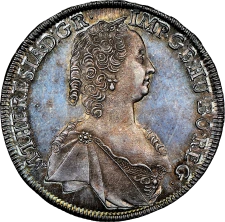
European coinage from the 15th through early 20th centuries represents the heart of world coin collecting. The German States Thaler — a large, hefty silver crown coin struck by dozens of independent principalities, duchies, and free cities before German unification in 1871 — is among the most historically rich series in numismatics. Each city and ruler produced distinctive designs, creating an almost inexhaustible field of variety and discovery. High-grade examples from rare states command thousands of dollars, while attractive circulated pieces can be found for under $150.
Gold sovereigns from Britain, 20-franc pieces from France (Napoléon heads and Roosters), Swiss Vrenelis, and Italian Marengos form the core of European gold collecting. These coins were struck to consistent gold standards during the classical gold standard era (roughly 1870–1914), making them both historically significant and intrinsically valuable. The British gold sovereign — featuring the iconic St. George and Dragon reverse — has been produced continuously since 1817 and remains one of the most widely traded gold coins on earth, prized equally by collectors and bullion investors.
World Coin Value Overview
Key Categories, Gold Content & Typical Market Ranges
| Category | Era / Period | Metal | Typical Value Range |
|---|---|---|---|
| Athens Owl Tetradrachm | 480–40 BCE | Silver (17.2g) | $500 – $50,000+ |
| Roman Gold Aureus | 27 BCE – 476 CE | Gold (7.3g) | $3,000 – $100,000+ |
| British Gold Sovereign | 1817–present | .2354 oz gold | $400 – $5,000+ |
| French 20 Francs (Napoléon/Rooster) | 1803–1914 | .1867 oz gold | $350 – $3,000+ |
| German States Silver Thaler | 1500s–1871 | Silver (28g) | $100 – $10,000+ |
| Mexican 50 Peso Centenario | 1921–1947 | 1.2057 oz gold | $2,200 – $3,500+ |
| South African Krugerrand | 1967–present | 1 oz gold (.9167) | $1,900 – $2,500+ |
| Chinese Gold Panda | 1982–present | 30g .999 gold | $1,800 – $3,000+ |
Top World Coin Collecting Categories
Where Global Collectors Focus Their Pursuits
Ancient Coins
Greek, Roman, Byzantine, and Persian coinage. The oldest collectible objects that still trade in an active market.
European Classics
Gold sovereigns, French Napoléons, German thalers, Swiss Vrenelis — five centuries of Old World numismatic art.
Asian & Middle East
Japanese kobans, Chinese pandas, Islamic gold dinars, Indian mohurs — dynastic coinage from the world's oldest civilizations.
Modern World Bullion
Krugerrands, Maple Leafs, Philharmonics, Kangaroos — sovereign-minted gold and silver at or near spot price.
Commonwealth Gold
British sovereigns, Australian and Canadian gold — coins from the former British Empire with deep historical roots.
Modern Rarities
Vatican euros, Monaco commemoratives, ultra-high-relief proof issues — low-mintage modern coins with strong collector demand.
World Coin Explorer
Browse by Region • Click Any Coin for Details & eBay Listings

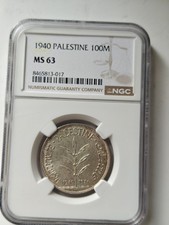
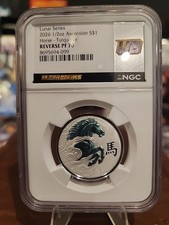


Asian & Middle Eastern Coinage
Dynastic Gold from Japan, China, the Mughal Empire & the Caliphates
Asian numismatics encompasses some of the most artistically distinctive and historically fascinating coinage ever produced. Japanese gold kobans from the Edo Period (1601–1868) are oval-shaped gold pieces used by the samurai class — completely unlike any Western coin in form or function, and increasingly sought by advanced collectors. Chinese cash coins, cast rather than struck, were the monetary backbone of East Asia for nearly two millennia. The modern Chinese Gold Panda, with its annually changing design and low mintage, has become the most collectible bullion coin from Asia.
Islamic gold dinars, struck from the 7th century onward across a vast caliphate stretching from Spain to Central Asia, are distinguished by their elegant Arabic calligraphy and strict prohibition of human imagery. These coins connected the medieval Islamic world through commerce and faith — and survive today in remarkable variety, from Umayyad dinars of the 690s CE to later Abbasid and Fatimid issues. Mughal gold mohurs from India feature some of the finest portrait engraving of the pre-modern era, with coins of Emperor Akbar and Shah Jahan commanding particular attention at auction.
Grading & Certification for World Coins
PCGS, NGC & Why Certification Matters for Global Issues
Professional third-party grading by PCGS or NGC is increasingly important for world coins, particularly for ancient coins, high-grade European classics, and modern low-mintage issues. For ancient coins, NGC's Ancient Coin grading service provides authentication and a standardized grade that greatly enhances resale confidence — critical in a market where cleaned, tooled, and outright fake ancient coins are common. For classic European gold, a PCGS or NGC holder verifies the coin's gold content and condition grade, which can dramatically affect value across a narrow range of grades.
For modern world bullion coins — Krugerrands, Maple Leafs, Pandas, and Philharmonics — grading is generally only worthwhile for proof or special issues where high-grade certification adds meaningful premium. Raw bullion coins in original packaging from reputable dealers are fine for most investment purposes. For any ancient or classic world coin worth more than $300, professional certification is almost always worth pursuing before purchase or resale.
Shop World Coins on eBay
Browse thousands of ancient, European, Asian, and modern world coins from dealers and collectors worldwide — certified and raw.
🛍️ Shop World Coins on eBay 📚 World Coin Books on AmazonFindRareCoins.com participates in the eBay Partner Network and Amazon Associates program. Purchases made through links on this page may earn us a commission at no additional cost to you.
Frequently Asked Questions
What are world coins and how do they differ from U.S. coins?
World coins is a broad numismatic term for any coin struck outside the United States — from ancient Greek drachms and Roman denarii to modern Canadian Maple Leafs and Chinese Gold Pandas. While U.S. coin collecting focuses on a relatively narrow set of series from 1792 onward, world coins span over 2,600 years of coinage from hundreds of nations, empires, and city-states. This breadth makes world coins one of the most diverse and endlessly rewarding areas of collecting, with something for every budget and interest.
How do I authenticate ancient coins?
Ancient coin authentication requires care because the market includes a significant number of forgeries, cleaned originals, and tooled (artificially enhanced) specimens. The safest approach is to buy only NGC-certified ancient coins in sealed holders — NGC's Ancient Coin service provides professional authentication and grading. For raw coins, study the coin's style, flan (planchet) characteristics, and patina carefully — authentic ancient coins develop natural deposits and toning that are very difficult to fake convincingly. Reputable dealers with established return policies are essential, and major auction house provenance is a strong positive indicator.
What is the most valuable world coin ever sold?
Among world coins strictly (excluding the U.S. 1933 Double Eagle), the most valuable coins sold at auction include a unique Athenian Dekadrachm that realized over $1 million, various Roman gold medallions in the multi-hundred-thousand-dollar range, and pattern or proof world coins of extraordinary rarity. For modern world coins, unique or near-unique proof issues from the Royal Mint and Perth Mint regularly achieve six figures. The King of Siam Proof Set (1834 U.S. Proof coins given to the King of Siam) is often cited as one of the most valuable collections in the world, though it occupies a unique gray area between U.S. and world coinage.
Are world gold bullion coins a good investment?
World gold bullion coins — Krugerrands, Maple Leafs, Britannias, Philharmonics, and Kangaroos — offer one of the most liquid and straightforward ways to hold physical gold. They trade at small premiums over the gold spot price, are recognized and tradeable worldwide, and carry government guarantees of weight and purity. Whether they are a "good investment" depends on gold's price performance, which is driven by macroeconomic factors outside any collector's control. Most financial advisors recommend physical gold as a portfolio diversifier rather than a primary investment. Always consult a qualified financial advisor before making significant precious metal purchases.
What world coins are best for beginning collectors?
The British silver crown (pre-decimal issues from the Victorian era onward) and common-date U.S.-era Mexican peso silver coins offer excellent entry points at $20–$50 each. For gold, a common-date British sovereign or French 20-franc Napoléon provides genuine pre-WWI gold history at close to melt value — typically $350–$500. In the ancient world, low-grade Roman bronzes (AE coins of the 3rd–4th century) can be purchased for $10–$30 and provide a tangible connection to the Roman Empire at remarkably accessible prices. Buy from established dealers with clear return policies when starting out.
What is the Krugerrand and why is it so popular?
The South African Krugerrand was introduced in 1967 as the world's first modern gold bullion coin — specifically designed to make gold investment accessible to private individuals at a time when most countries prohibited private gold ownership. It contains exactly 1 troy ounce of fine gold in a 22-karat alloy (the copper content gives it its distinctive reddish tone and extra durability). Over 60 million Krugerrands have been minted, making it by far the most widely distributed gold bullion coin in history. Its deep liquidity and minimal premiums over spot make it a perennial favorite among investors.
The definitive illustrated reference to the world’s greatest coins and a professional guide to building a spectacular collection, featuring more than 3000 images
 '
'