
✦ Gold · Silver · Platinum · Palladium
Precious Metals: The Complete Guide to History, Uses & Investing
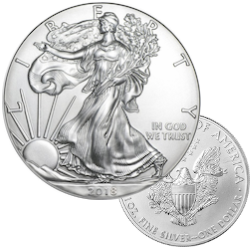
Precious metals have anchored human wealth for over 5,000 years. Gold, silver, platinum, and palladium are among the most versatile substances on earth — simultaneously serving as monetary stores of value, industrial raw materials, and collector's treasures. Whether you're an investor seeking a hedge against inflation, a collector pursuing bullion coins, or simply a history enthusiast, understanding precious metals is essential.
Years of Gold Use
Primary Investment Metals
of Gold Demand from Investors
of Silver Demand from Industry
A History of Precious Metals: From Ancient Civilizations to Modern Markets
Ancient Origins
Gold was almost certainly the first metal worked by human hands. Its natural occurrence as gleaming nuggets in riverbeds — requiring no smelting or refining — made it immediately apparent to early peoples. Egyptian pharaohs adorned their tombs with gold, believing it to be the flesh of the gods. The Incas called it "the sweat of the sun." Across cultures and continents, independently and repeatedly, gold emerged as the ultimate symbol of power, divinity, and permanence.
Silver followed close behind. The ancient Greeks and Romans mined silver extensively across their territories, and silver coins — the Athenian Tetradrachm, the Roman Denarius — became the everyday currency of the classical world. The economies of entire civilizations ran on silver. Meanwhile, platinum and palladium, though present in nature, were not identified as distinct elements until the 18th century — too refractory and chemically resistant for ancient metallurgy to isolate.
Precious Metals as the Foundation of Currency
The most transformative application of precious metals in human history was coinage. Around the 6th century BCE, the kingdom of Lydia (in present-day Turkey) struck what are considered the world's first true coins — small lumps of electrum (a natural gold-silver alloy) stamped with a lion's head guaranteeing their weight and purity. Within two centuries, coinage had spread across Greece, Persia, India, and China, replacing barter and commodity exchange with a portable, standardized medium of trade.
This monetary role defined precious metals for over two millennia. The gold standard — tying paper currencies directly to gold reserves — governed global finance until the 20th century. The United States officially abandoned the gold standard in 1971 when President Nixon ended the Bretton Woods system, but gold's role as a monetary anchor lives on in central bank reserves and investor psychology worldwide.
The Industrial Revolution and New Roles for Precious Metals
The 18th and 19th centuries transformed precious metals from primarily monetary and decorative materials into industrial essentials. Photography's invention required silver halide compounds. Electrical infrastructure depended on silver and gold for their unmatched conductivity and corrosion resistance. The discovery of platinum's extraordinary catalytic properties opened doors to industrial chemistry that had previously been impossible.
The 20th century expanded this dramatically. Gold became essential in electronics — every smartphone contains trace amounts. Silver's antibacterial properties found medical applications. Platinum and palladium became the backbone of automotive emissions control through catalytic converters. The modern world runs, in ways most people never consider, on precious metals.
The Four Precious Metals: Gold, Silver, Platinum & Palladium
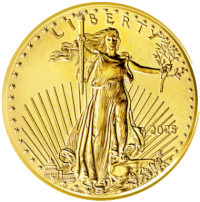
Gold
The ultimate safe-haven asset. Gold is chemically inert, virtually indestructible, universally recognized, and finite. It serves simultaneously as jewelry, monetary reserve, industrial material, and investment. Gold demand comes from jewelry (~50%), investment (~30%), and technology (~10%), with central bank purchases making up the remainder. It is the benchmark against which all other stores of value are measured.

Silver
The most electrically and thermally conductive metal on earth. Silver has a dual nature: it is both a monetary metal with millennia of currency history and an industrial workhorse used in solar panels, electronics, medical devices, and water purification. This dual demand profile makes silver prices more volatile than gold — sensitive to both economic cycles and investor sentiment simultaneously.
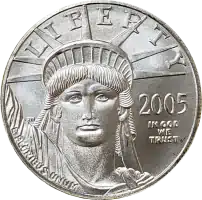
Platinum
Rarer than gold in the earth's crust and more expensive to mine, platinum is a remarkable industrial catalyst. Its dominant use is in automotive catalytic converters for gasoline engines, with secondary applications in jewelry, petroleum refining, and fuel cells. Platinum prices are strongly tied to automotive production trends and environmental regulations — making it a more complex investment case than gold or silver.

Palladium
The most recent addition to mainstream precious metals investing, palladium is essential in catalytic converters for gasoline engines and is the primary beneficiary of stricter global auto emissions standards. Russia and South Africa produce the overwhelming majority of the world's supply, creating geopolitical supply-chain risks that cause dramatic price volatility. Palladium surpassed gold in price for several years in the early 2020s.
Precious Metals at a Glance: Comparison Guide
| Metal | Primary Demand Driver | Monetary History | Key Industrial Use | Volatility |
|---|---|---|---|---|
| Gold (Au) | Investment & jewelry | 5,000+ years as currency | Electronics, dentistry | Low–Moderate |
| Silver (Ag) | Industrial & investment | Ancient coinage through 1964 U.S. coins | Solar panels, electronics, medical | High |
| Platinum (Pt) | Automotive & industrial | Limited — primarily modern | Catalytic converters (diesel) | High |
| Palladium (Pd) | Automotive | None — purely modern | Catalytic converters (gasoline) | Very High |
✦ Shop Precious Metal Bullion Coins & Bars
Find gold, silver, platinum, and palladium bullion coins, rounds, and bars from trusted dealers on eBay and Amazon.
Modern Industrial Uses: Why Precious Metals Are More Essential Than Ever
The digital economy has transformed precious metals from primarily monetary assets into critical technology inputs. This industrial demand creates a structural floor under prices that pure monetary metals like gold lack — and it means that global economic growth and technological advancement directly support precious metals demand.
Where Precious Metals Are Used Today
- Electronics: Gold and silver are used in virtually every circuit board, connector, and contact point in consumer electronics — from smartphones to satellites
- Solar Energy: Silver is a critical component of photovoltaic solar cells — each panel contains approximately 20 grams of silver, making solar a major and growing demand driver
- Medicine: Silver's antimicrobial properties are used in wound dressings, medical device coatings, and water purification. Gold nanoparticles are used in cancer diagnostics and treatment
- Automotive: Platinum and palladium are irreplaceable in catalytic converters that reduce harmful vehicle emissions — stricter emissions standards worldwide drive growing demand
- Hydrogen Economy: Platinum is the primary catalyst in hydrogen fuel cells, positioning it as a critical material in the transition to clean energy
- Dentistry: Gold and palladium alloys remain the standard for dental crowns, bridges, and implants due to their biocompatibility and durability
Investing in Precious Metals: Forms, Strategies & Considerations
Precious metals have served as a portfolio diversifier and inflation hedge for centuries. In modern markets, investors can access precious metals exposure in multiple forms — each with distinct trade-offs between convenience, cost, storage, and liquidity.
Bullion Coins
Government-minted coins like the American Gold Eagle, Canadian Maple Leaf, and South African Krugerrand offer a combination of legal tender status, guaranteed purity, and strong secondary market liquidity. They carry a small premium over spot but are universally recognized and easy to buy and sell.
Bullion Bars
Gold and silver bars from refiners like PAMP Suisse, Perth Mint, and Valcambi offer the lowest premiums over spot price for large purchases. Larger bars (1 oz, 10 oz, 1 kg) minimize per-ounce costs. Best for investors prioritizing metal content over numismatic value.
ETFs & Funds
Gold and silver ETFs (like GLD and SLV) track spot prices without requiring physical storage. Highly liquid, low-cost, and accessible through any brokerage account. The trade-off: you own a financial instrument, not physical metal — a distinction that matters during financial crises.
Mining Stocks
Shares in gold and silver mining companies offer leveraged exposure to metal prices — mining stocks typically rise faster than gold when prices increase, and fall harder when they decrease. Higher risk, higher potential reward compared to physical metal ownership.
Numismatic Coins
Rare and collectible gold and silver coins carry value beyond their metal content — historical premiums that can significantly exceed spot. Items like pre-1933 U.S. gold coins or key-date silver dollars offer both precious metal exposure and numismatic upside for knowledgeable collectors.
Futures & Options
For sophisticated investors, futures contracts on COMEX allow exposure to gold and silver prices with leverage. High risk and not appropriate for most retail investors — primarily used by commercial hedgers and institutional traders rather than individual collectors or savers.
Popular Precious Metal Bullion Coins for Collectors & Investors
Government-minted bullion coins are the most accessible entry point into precious metals for both collectors and investors. They combine the security of guaranteed purity with the appeal of artistically designed legal tender. Here are the most widely traded bullion coins worldwide:
| Coin | Country | Metal | Purity | Notes |
|---|---|---|---|---|
| American Gold Eagle | United States | Gold | 91.67% (22k) | Most widely traded gold bullion coin in the U.S. Available in 1 oz, 1/2 oz, 1/4 oz, 1/10 oz |
| American Silver Eagle | United States | Silver | 99.9% | The world's best-selling silver bullion coin since 1986. Walking Liberty design. |
| Canadian Maple Leaf | Canada | Gold / Silver | 99.99% | Among the purest bullion coins minted. Available in gold, silver, platinum, and palladium. |
| South African Krugerrand | South Africa | Gold | 91.67% (22k) | The world's first modern bullion coin (1967). Dominated global gold investment for decades. |
| Austrian Philharmonic | Austria | Gold / Silver | 99.99% | Europe's best-selling bullion coin. Features the Vienna Philharmonic Orchestra's instruments. |
For a deeper look at one-ounce gold coins specifically — including detailed specs, premium comparisons, and collecting strategies — see our dedicated guide: One-Ounce Gold Coins.
🥇 Shop Precious Metal Bullion Coins by Type
Explore gold Eagles, silver Maple Leafs, platinum bars, and more from verified bullion dealers.
Explore More: Precious Metals & Rare Coins
- One-Ounce Gold Coins: Bullion & Collector's Guide
- Gold Coins vs. Gold Bullion: What's the Difference?
- Investing in Rare Coins
- U.S. Gold Coins: Complete Guide
- Precious Metal Overview
 '
'