Advertising Disclosure: This page contains affiliate links. As an eBay Partner Network affiliate, FindRareCoins.com earns from qualifying purchases. As an Amazon Associate, we earn from qualifying purchases. We may also earn commissions from other dealers linked on this site, at no extra cost to you. Full disclosure
Ancient & Medieval Coin Values
Roman Imperial • Provincial • Republic • Greek • Byzantine • Medieval • Biblical & Famous Coins
Coin Values by Era
Roman Imperial Coins
27 BC – 476 AD
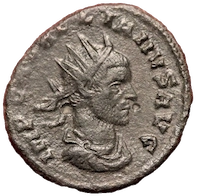
Most Roman Imperial coins are common bronze and silver issues, typically $20 to $400 depending on denomination and condition — gold aurei and coins of famous emperors like Julius Caesar or Augustus can bring $1,000 to $8,000 or more.
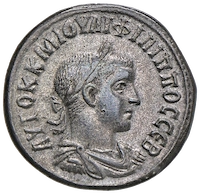
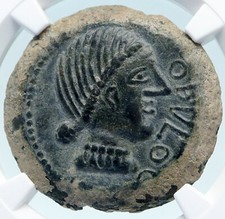
Struck locally at mints like Antioch and Alexandria rather than Rome, blending Roman authority with regional Greek-style design — most bronze and billon examples sell for $30 to $300.
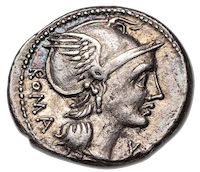
Common Republic denarii typically sell for $75 to $200, while coins tied to famous political figures — Julius Caesar, Brutus, Mark Antony — can bring $1,000 to well over $10,000.
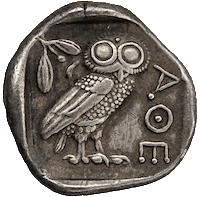
Small bronze city-state issues start around $30, while a classic Athenian "owl" tetradrachm typically runs $1,200 to $6,000 depending on strike quality and centering.
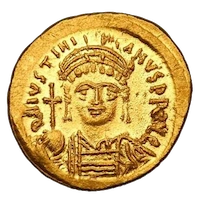
Gold solidi in average condition typically trade for $500 to $1,500. Everyday bronze folles are far more affordable, usually $20 to $200 depending on emperor and strike quality.
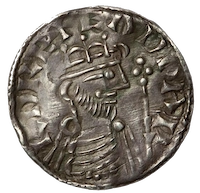
Medieval hammered silver coins — English pennies, Continental groschen, and similar issues — are among the most affordable historical coins, most selling for $30 to $150 in collectible condition.
Coins referenced in Scripture, plus history's most famous individual issues
These are the specific named coins collectors search for by story rather than by type — the Widow's Mite, the Tribute Penny, the Thirty Pieces of Silver, and history's most historically dramatic issues. Biblical association and named-event history carry a real premium over an unremarkable coin of the same type and date, so these prices run higher than the generic denarius or shekel rows above.
Coin Type
Metal
Worn–Fine
VF–XF+
Shop
Widow's Mite (Lepton), Alexander Jannaeus — Mark 12:41–44, Luke 21:1–4
Most ancient and medieval coins on the market today sell for $15 to $300 — genuine 1,500-to-2,000-year-old history is far more affordable than most new collectors expect, since Rome, Greece, Byzantium, and medieval Europe collectively struck coins by the billions over two millennia. The rare exceptions are what get the headlines: the current auction record for a single ancient coin sits at roughly $6 million, set by a rare Greek gold stater, while coins tied to famous events — like the denarii Brutus struck to commemorate Julius Caesar's assassination — have sold for well over $3 million.
Value across every era comes down to the same four factors: metal (gold and silver command steep premiums over bronze and copper), rarity of the specific ruler or type, condition and strike quality, and historical significance. A worn bronze coin from a common late-Roman emperor might sell for $10, while a similar-looking coin tied to a pivotal historical figure or moment can be worth a hundred times as much — which is exactly why authentication and attribution matter so much in this category (more on that below).
Since the first coins were struck in Lydia — the origin point of every tradition on this page.
$6M
Current auction record for a single ancient coin — a rare Greek gold stater.
$10–$30
Typical starting price for a genuine, recognizable late-Roman or Byzantine bronze coin.
Six Collecting Eras at a Glance
Roman Imperial
27 BC–476 AD. Emperor portraits from Augustus to the empire's fall.
Roman Provincial
100–400 AD. Locally struck bronze and billon from Antioch, Alexandria, and beyond.
Roman Republic
300 BC–27 BC. Denarii before the emperors — moneyers, deities, political drama.
Greek
450 BC–100 AD. The artistic peak of ancient coinage — city-state tetradrachms and staters.
Byzantine
300–1400 AD. The gold solidus — a thousand years of unbroken imperial coinage.
Medieval
500–1500 AD. Hammered silver pennies and groats from kingdoms across Europe.
How to Identify an Authentic Ancient Coin
The most reliable protection against forgeries is buying NGC Ancients or PCGS certified examples — third-party authentication that dramatically reduces risk on any purchase over $200–$300. For raw (uncertified) coins, sticking with dealers who belong to the Professional Numismatists Guild (PNG) or the International Association of Professional Numismatists (IAPN) adds meaningful confidence, since both organizations enforce authenticity guarantees.
Genuine ancient and medieval coins were struck by hand from engraved dies, so every real example carries small individual quirks — slightly off-center strikes, minor die wear, natural surface toning built up over centuries. Cast forgeries, by contrast, often show a telltale porous or sandy surface texture, incorrect weight for the type, and seam lines left by the casting mold. Studying genuine examples builds an eye for this over time, but for anything above a modest price point, certification remains the safer bet for new collectors.
Never clean an ancient or medieval coin
Cleaning — scrubbing, polishing, or using chemical dips — strips original surfaces and patina that took centuries to form, and it can cut a coin's value by 50% or more even when the cleaning is done carefully. If a coin looks dirty or encrusted, leave it as found and consult a professional conservator rather than attempting to clean it yourself.
Can you legally own ancient coins?
Yes — ancient and medieval coins are legally collected worldwide, and the vast majority in the market have circulated through legitimate commercial channels for decades. Some countries with significant archaeological heritage restrict export of newly excavated material, so buying from established dealers with documented provenance is the safest path.
Grading Ancient & Medieval Coins
Grading for hand-struck coins differs meaningfully from the wear-based conventions used for modern U.S. coins. Because ancient and medieval coins were struck with variable die pressure — and often show original manufacturing flaws like weak strikes, die breaks, or off-center striking that have nothing to do with circulation wear — grading places heavier emphasis on strike quality and centering alongside the traditional condition scale. A coin graded "Very Fine" with a full, sharp strike can be worth more than an "Extremely Fine" example with a weak or off-center strike, which is the opposite of how modern coin grading usually works.
NGC Ancients uses a numeric scale similar to modern coins but adds strike and surface-quality descriptors (Fine Style, Choice, etc.) that carry real weight in valuation. Medieval hammered coins add another wrinkle: because they were struck between hand-engraved dies without a collar, off-center strikes and clipped flans are extremely common and expected — a well-centered hammered penny commands a real premium over an off-center example of the same type and ruler.
FindRareCoins.com participates in the eBay Partner Network affiliate program. Purchases made through links on this page may earn us a commission at no additional cost to you.
Frequently Asked Questions
How much are ancient coins worth?
Most ancient and medieval coins sell for $15 to $300 in collectible condition — common bronze and worn silver issues are genuinely affordable. Value climbs sharply for gold denominations, rare rulers, and historically significant types, with the very top of the market (like the current $6 million auction record) reserved for exceptionally rare pieces.
How can I tell if an ancient coin is real?
Buying NGC Ancients or PCGS certified examples is the most reliable protection for purchases over $200–$300. For raw coins, buy from dealers affiliated with the Professional Numismatists Guild (PNG) or International Association of Professional Numismatists (IAPN). Genuine coins show natural die-struck characteristics and appropriate weight for their type; cast forgeries often show a porous surface texture and seam lines.
What is the oldest coin in the world?
The earliest coins were struck in Lydia (modern western Turkey) in the 7th century BC, made from electrum — a natural gold-silver alloy. This Lydian innovation is the direct ancestor of every coinage tradition covered on this page, including Greek, Roman, Byzantine, and eventually medieval European coinage.
What is the most valuable ancient coin ever sold?
The current auction record for a single ancient coin is roughly $6 million, set by a rare Greek gold stater sold at a Swiss auction house. The famous "EID MAR" denarius commemorating Julius Caesar's assassination — one of the most historically significant Roman coins — has also sold for several million dollars in recent years.
Can I legally own ancient coins?
Yes — ancient coins are legally collected worldwide, and most coins on the market have circulated through legitimate commercial channels for decades or centuries. Some countries with significant archaeological heritage restrict export of newly excavated antiquities, so buying from established, reputable dealers with documented provenance minimizes any legal concerns.
What's the cheapest way to start collecting ancient coins?
Common late-Roman and early Byzantine bronze coins from the 3rd–5th centuries are the most accessible entry point, often available for $10–$30 for a recognizable, genuine example. For silver, common Roman Republic or early Imperial denarii in Fine to Very Fine condition typically start around $50–$100.
Should I clean an ancient coin before selling or displaying it?
No — cleaning strips original surfaces and centuries of natural patina, and it can cut a coin's value by half or more even when done carefully. If a coin looks dirty or encrusted, leave it as-is and consult a professional numismatic conservator rather than attempting to clean it yourself.
What coins are mentioned in the Bible?
The most-referenced coins are the Widow's Mite (a small bronze lepton, Mark 12:41–44), the Tribute Penny (a Tiberius denarius from the "Render unto Caesar" episode), the Thirty Pieces of Silver paid to Judas (most likely Tyrian shekels, Matthew 26:15), the half-shekel Temple tax (also Tyrian coinage, Exodus 30:13), and the stater found in a fish's mouth to pay that tax for two (Matthew 17:27). All five are collected today and covered in the "Biblical & Famous" tab above.
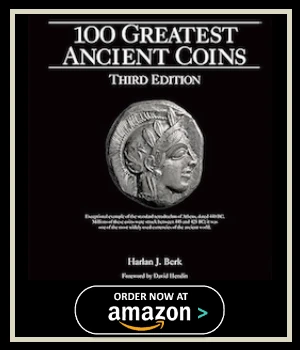
A remarkable catalog of 100 exceptional coins, invaluable for all serious ancient-numismatic academics, historians, dealers, and amateurs alike.
More than 1000 full-size photographs that depict the actual coins and show how to interpret dates and inscriptions.
We use cookies for the purposes of statistical analysis, improving the friendliness and usability of our website, tailoring content to your interests and engaging with social media. By visiting and using our website, you consent to our use of cookies as described in our cookie policy.
This website uses cookies to improve your experience while you navigate through the website. Out of these cookies, the cookies that are categorized as necessary are stored on your browser as they are essential for the working of basic functionalities of the website. We also use third-party cookies that help us analyze and understand how you use this website. These cookies will be stored in your browser only with your consent. You also have the option to opt-out of these cookies. But opting out of some of these cookies may have an effect on your browsing experience.
Necessary cookies are absolutely essential for the website to function properly. This category only includes cookies that ensures basic functionalities and security features of the website. These cookies do not store any personal information.
Any cookies that may not be particularly necessary for the website to function and is used specifically to collect user personal data via analytics, ads, other embedded contents are termed as non-necessary cookies. It is mandatory to procure user consent prior to running these cookies on your website.




 Find Ancient & Medieval Coins on eBay
 '
'